The Morning Your Kitchen Opens Without You
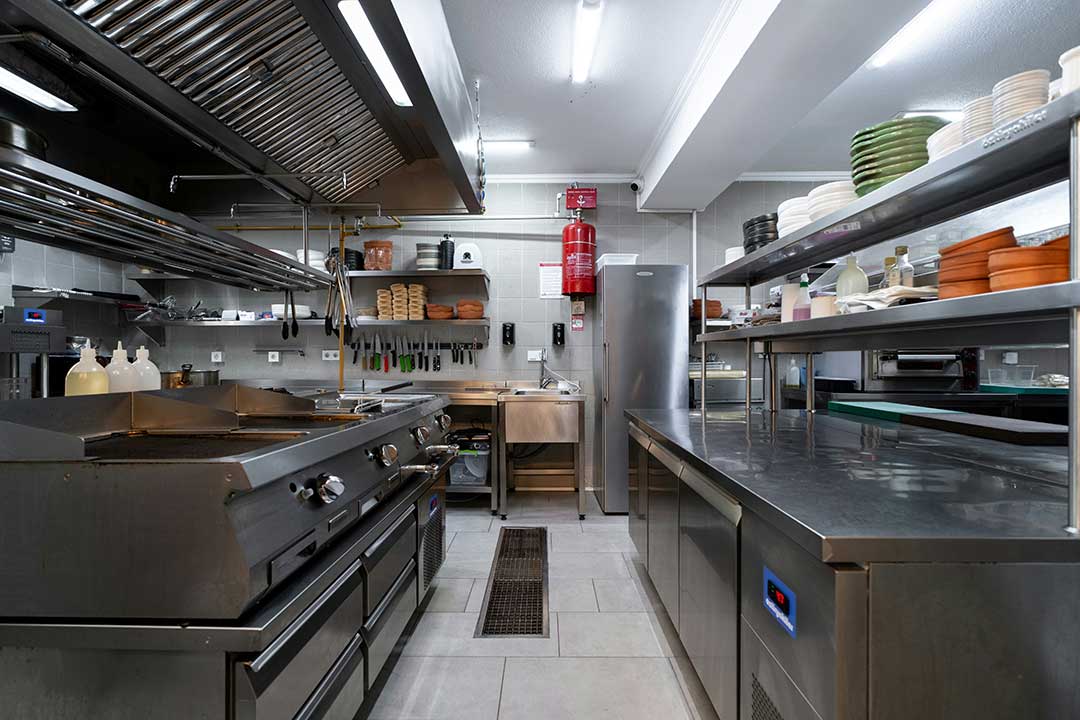


There was a time when food allergies were too often treated as awkward side notes to service. A guest mentioned nuts, dairy, or shellfish; someone shouted into the kitchen, and the answer came back with varying degrees of confidence, accuracy, and luck. That approach was never good enough, and now it is utterly indefensible.
When someone tells you they have an allergy, they are not making small talk. They are placing their trust in your kitchen, your staff, your systems, and your honesty. In hospitality, where pressure is constant and timing matters, that is one of the clearest tests of professionalism there is.
Dietary compliance is not paperwork for a quiet afternoon. It is not a box to tick for the inspector. It is part of the job, part of the craft, and part of the duty every serious food business owes the people it serves.
A lot of people hear the phrase ‘dietary compliance’ and immediately think of legislation, forms, and laminated checklists. Those things matter, of course, but the subject is bigger than that.
In practical terms, dietary compliance means knowing exactly what is in your food, understanding how allergens move through a kitchen, communicating clearly with guests, and making sure nothing is left to assumption. It means every ingredient, every garnish, every substitution, every prep area, and every service decision has to stand up to scrutiny.
That is the point many kitchens still miss. The risk does not begin when a guest asks a question. By then, most of the important decisions have already been made. The real work starts with purchasing, labelling, supplier checks, recipe control, staff training, and kitchen discipline.
If you do not know precisely what is in your food, you cannot describe it properly. If you cannot describe it properly, you cannot serve it safely.
There is still a tired old idea in some kitchens that allergen awareness somehow sits outside the real work. As though good cooking is one thing, and food safety is an administrative burden layered over the top.
That is nonsense.
A well-run kitchen does not treat allergen management as an interruption. It treats it as part of the same discipline that governs everything else worth doing properly. The same habits are involved: consistency, clarity, attention to detail, and the willingness to hold standards when the pressure comes on.
In truth, allergen management reveals a great deal about how a kitchen is being run. A disciplined kitchen usually handles allergens well. A loose one usually doesn’t. That is because the same cracks appear in both places: assumptions, poor communication, casual substitutions, incomplete records, and people hoping somebody else checked.
Good kitchens do not build trust through guesswork. They build it through systems.
Most allergen failures do not come from dramatic moments. They come from routine.
A sauce gets altered and nobody updates the information. A supplier changes a product, and the new spec is not checked. A garnish is moved. A prep surface is reused too quickly. A front-of-house team member answers from memory instead of confirming properly. None of it looks catastrophic on its own. That is precisely why it is dangerous.
Risk hides in familiarity. In the things people do every day without thinking.
That is why dietary compliance has to be built into the structure of the operation itself. It cannot depend on one careful chef, one experienced server, or one manager who knows where everything is buried. It has to hold up when the kitchen is busy, when staff change, when menus shift, and when somebody asks a difficult question in the middle of a full service.
That is what proper allergen control is. Not perfection in theory, but reliability in practice.
There is another part of this subject people often underestimate, and that is the human side of it.
For many guests, eating out is not a relaxed experience. It is often cautious, calculated, and shaped by previous bad experiences. A careless answer from a waiter or a vague assurance from the kitchen can undo trust in seconds.
That is why language matters.
The best teams do not bluff. They do not say, “I think it should be fine.” They do not promise more than they can prove. They listen, they check, they confirm, and if they are not certain, they say so honestly. That honesty does more for trust than false confidence ever will.
Hospitality is not about sounding reassuring. It is about being reliable.
The legal landscape has changed, and rightly so. Natasha’s Law in the UK made that very clear, and the wider direction across Europe and the United States has been much the same: more visibility, more accountability, and less tolerance for vagueness.
But legislation only sets the floor.
A law can tell you what must be declared. It cannot create a kitchen culture where staff are trained to stop, ask, and verify. It cannot make a team treat dietary compliance as part of professional identity rather than an inconvenience. That part belongs to the operator.
And this is where the subject becomes more interesting than many people expect. Once you stop seeing allergen management as a burden, you begin to see it for what it really is: one of the clearest measures of whether a hospitality business is being run properly at all.
There is also a commercial reality here. Kitchens that handle dietary compliance well do not simply avoid mistakes. They build confidence. They earn repeat custom. They strengthen their reputation. They make guests feel welcome rather than troublesome.
That matters.
A guest with an allergy remembers more than the food. They remember whether they were listened to, whether the answers were clear, and whether the business seemed calm and competent. In many cases, that confidence matters as much as the menu itself.
So this is not just about avoiding risk. It is about running a better business. Safer systems, cleaner communication, better staff habits, and stronger guest trust all tend to travel together.
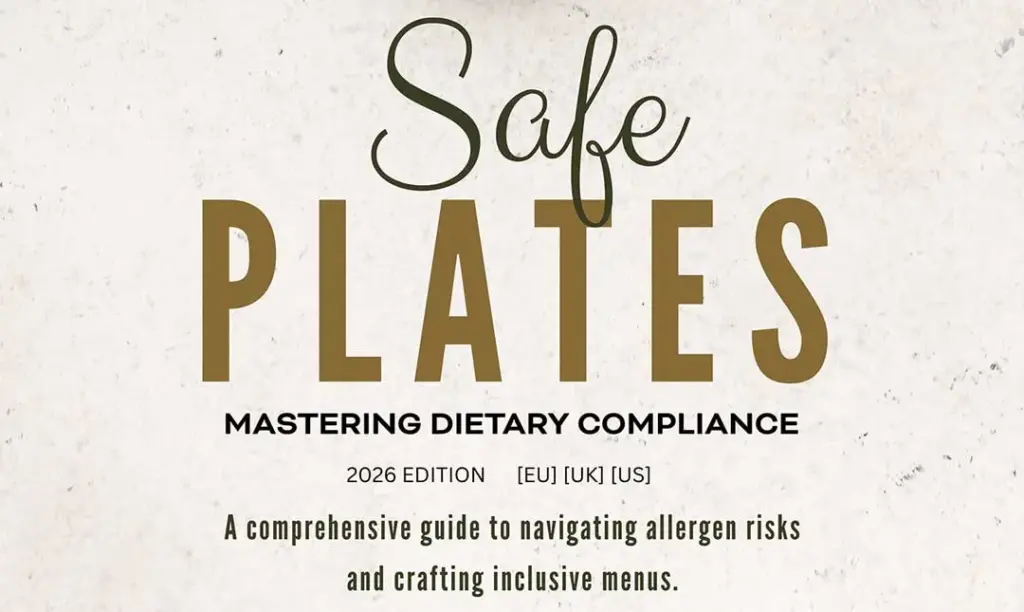
That is exactly why Safe Plates: Mastering Dietary Compliance is such a useful book.
It does not treat allergen management as an abstract legal subject. It treats it as a real hospitality discipline, something that has to work in actual kitchens, with actual people, under actual pressure. It covers the law across the EU, UK, and US, but it also goes much further than that.
It deals with communication, training, kitchen systems, cultural responsibility, common danger points, and the habits that separate reliable kitchens from careless ones. It also includes case studies, practical tools, and operational guidance that can actually be used rather than merely admired.
What I particularly like about it is that it understands the real issue. This is not only about avoiding disaster. It is about building an operation that deserves to be trusted.
Safe Plates will be useful if you are:
It is a serious, practical guide for people who want the subject explained properly and applied sensibly.
If you work in hospitality and want a clearer, more professional approach to allergen management, this book is well worth your time.
Safe Plates: Mastering Dietary Compliance brings together legal clarity, kitchen reality, operational guidance, and practical tools to help food businesses build safer, more reliable, and more inclusive service.
What you’ll find inside:
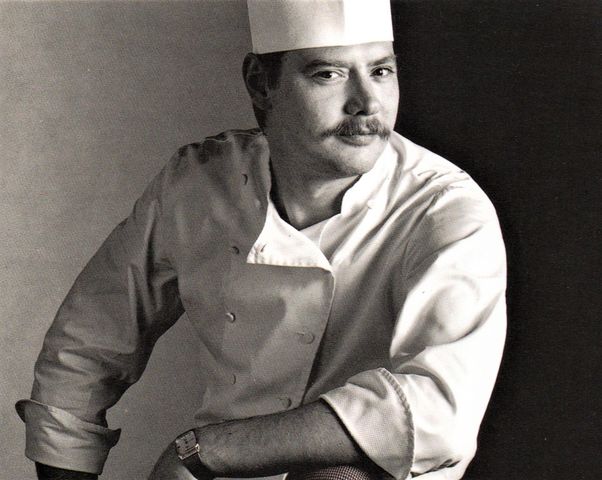
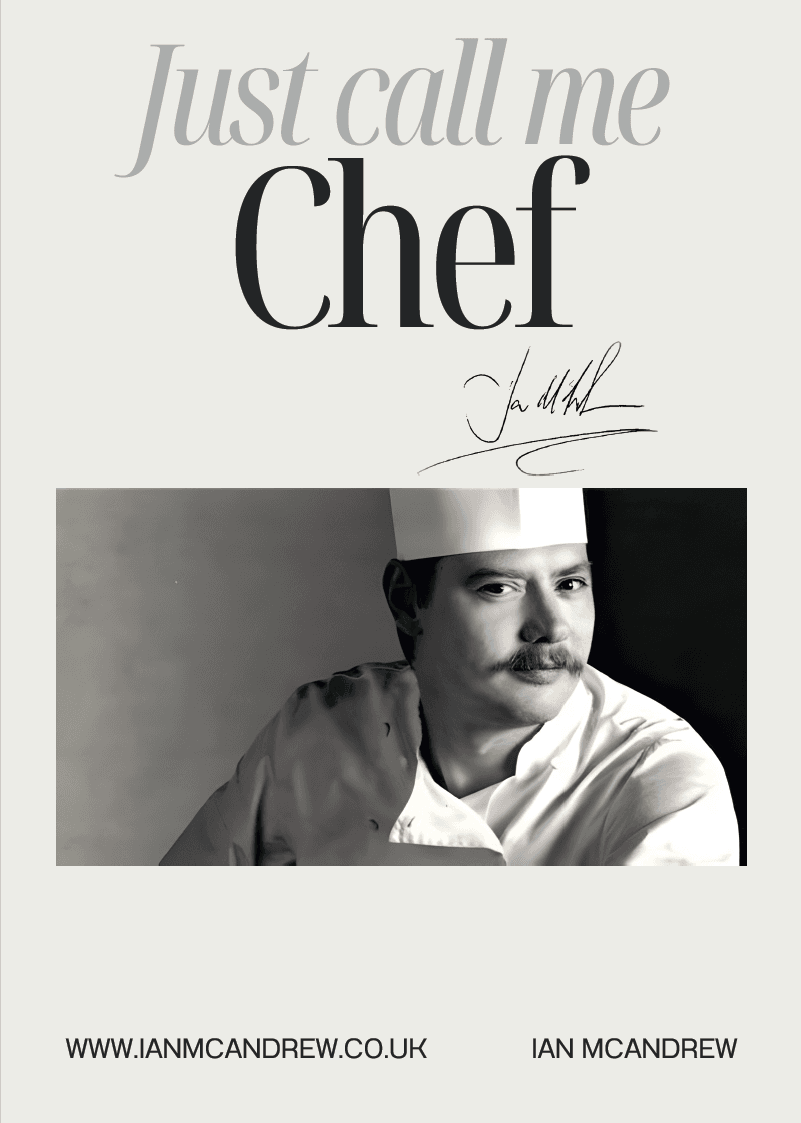
Chef Ian McAndrew’s specialist eBooks and guides are available directly on ChefYesChef, including his technical titles and autobiography. If you want more practical, chef-led reading beyond this article, you’ll find the full collection here.
Chef Ian McAndrew works with chefs, businesses, and individuals on a wide range of culinary projects, from concept development to practical problem-solving.
If you’d like to talk through an idea or need informed guidance, you’re welcome to contact him.
Essential cookies required for the site to function. Cannot be disabled.
Cookies that help us understand how visitors use the site.
Cookies used to deliver relevant advertisements.
Privacy Policy Terms of Service