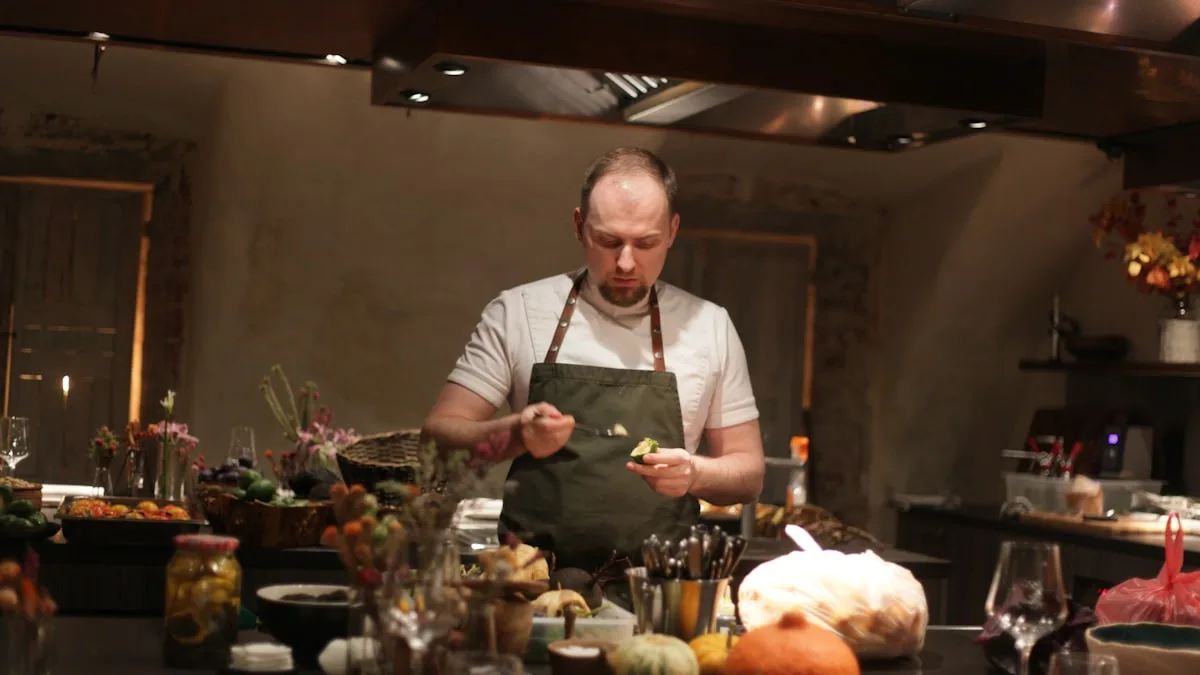
Social Media & Chef Reputation: Hired Before a CV



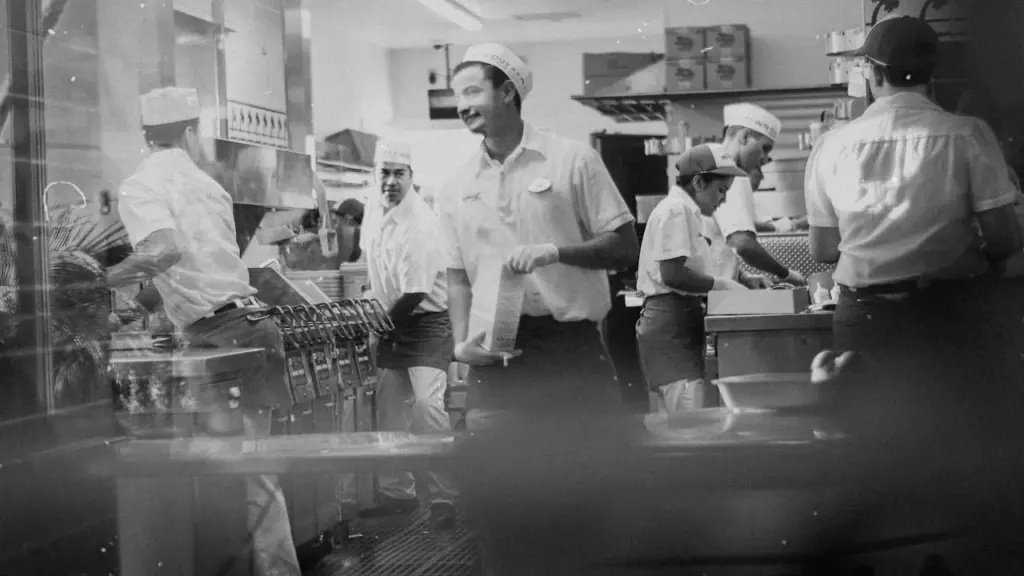
A chef I know, nearly thirty years in the trade, handed in his notice last spring. Good kitchen, decent enough food, reasonable pay. The owner was baffled. “I thought he was happy,” the owner told me over the phone, genuinely puzzled. I resisted the urge to say something unhelpful. The chef, meanwhile, had already started somewhere new. Smaller place. Less money, actually. But he came home from his first week looking like a man who’d rediscovered something he thought he’d lost.
That story is not unusual. I hear versions of it constantly. And if you run a restaurant, a hotel kitchen, or any kind of food operation and you’re struggling to hold onto good cooks, there is a reasonable chance you are solving the wrong problem entirely.
Yes, wages matter. Obviously they matter. Chefs are not monks. They have rent and gas bills and children who eat at frankly alarming rates. The industry spent decades paying people poorly, dressing it up as “passion” and “vocation” and other words that look good on a speech but don’t cover a council tax bill. That has to change and in many places it is changing, slowly, awkwardly, like a restaurant pivoting to plant-based after twenty years of serving duck fat chips.
But here is what most owners miss: by 2026, competitive pay is simply the entry ticket. It gets someone through the door for an interview. It does not keep them there. The chefs who stay, who grow, who actually give a damn about what goes on the plate at nine-thirty on a Friday night, they are staying for other reasons entirely.
I have spent a lot of time in a lot of kitchens. Some brilliant, some deeply depressing, one that smelled permanently of something I still cannot identify and prefer not to think about. And when cooks talk honestly, away from the pass, usually over something cold and slightly greasy at half eleven at night, certain things come up again and again.
They want to feel like their work means something. Not in a grand, philosophical sense (nobody standing next to a fryer at ten-thirty is feeling especially philosophical). They want to know that the people above them in the kitchen have a standard, care about that standard, and will back it up when things get difficult. There is nothing more deflating than being told to care about the food and then watching a manager override a decision because the table complained about waiting four minutes for a properly rested piece of beef.
They want to learn. Not in the corporate training module sense, with a laminated sheet and a quiz at the end. They want someone experienced standing next to them saying: here is why we do it this way, here is what happens if you rush it, here is something I figured out twenty years ago that will save you some grief. That kind of knowledge transfer is vanishing from kitchens and its absence is felt keenly by anyone who still cares about the craft.
They want hours that do not quietly destroy them. The long hours culture is not glamorous. It never was. Anyone who romanticises the hundred-hour week has either never actually done one, or has done so many that something in them broke quietly and they started calling it character. Chefs in 2026 want structure. Real days off. The ability to see their families and occasionally eat a meal they did not cook themselves.
Respect is one of those words that gets tossed around so often it starts to lose its shape. So let me be specific about what it means in a kitchen context, because I think owners and chefs are often talking about entirely different things.
For an owner, respect might mean saying thank you occasionally, putting the team on the website, doing a little speech at the Christmas party. Genuinely well-intentioned. Also, not quite the point.
For a chef, respect looks like this:
None of that costs a penny. All of it is either present in a workplace or it is not. And experienced cooks can sense its absence within about a fortnight.
Here is something that comes up with surprising regularity: chefs want to cook food they are proud of. That sounds obvious. It is less obvious in practice.
The number of talented cooks I have met who are quietly killing themselves producing menus that have nothing to do with their values, their training, or their genuine interests is quite startling. They are making food they find embarrassing. They are using produce they know is mediocre because someone further up the chain made a purchasing decision based entirely on margin. They are cooking dishes that were designed by a committee who had never actually cooked them.
Give a good chef some say in what the kitchen cooks, even a small amount, even one seasonal dish that is genuinely theirs, and watch what happens to their engagement. I have seen it. It is not subtle.
The conversation about retaining kitchen staff tends to drift towards money and benefits because those are things that can be put on a spreadsheet and approved in a meeting. The things that actually matter are harder to quantify, which is presumably why they get less attention. But here, for what it is worth, is a practical list of things that cost relatively little and make a meaningful difference:
These are not revelations. They are basic decencies that somehow still need spelling out in 2026, which says something fairly pointed about how the industry has been run up until now.
There is a persistent idea in some corners of the hospitality business that the new generation of chefs is soft, distracted, not really committed to the trade. I find that view both wrong and a little convenient. The people I see coming through kitchens now are not less passionate than my generation was. They are just considerably less willing to be treated poorly in exchange for that passion, which seems, frankly, like an improvement in collective self-regard.
The chefs who stay, who build something, who become genuinely excellent, they do so because they found a place that treated the food seriously and treated them seriously in roughly equal measure. That combination is rarer than it should be. But it exists. And the kitchens where it exists tend not to have a recruitment problem.
My chef friend, the one who left last spring, rang me a few months into his new job. The place was smaller. The brigade was younger. The menu changed with what the supplier brought that morning rather than what had been agreed in a meeting three months earlier. He sounded, for the first time in years, like someone who had not forgotten why he started cooking. That is not nothing. That is, in fact, most of it.
Chef Ian McAndrew’s specialist eBooks and guides are available directly on ChefYesChef, including his technical titles and autobiography. If you want more practical, chef-led reading beyond this article, you’ll find the full collection here.
Chef Ian McAndrew works with chefs, businesses, and individuals on a wide range of culinary projects, from concept development to practical problem-solving.
If you’d like to talk through an idea or need informed guidance, you’re welcome to contact him.
Essential cookies required for the site to function. Cannot be disabled.
Cookies that help us understand how visitors use the site.
Cookies used to deliver relevant advertisements.
Privacy Policy Terms of Service