Why Dietary Compliance Matters More Than Ever in Professional Kitchens


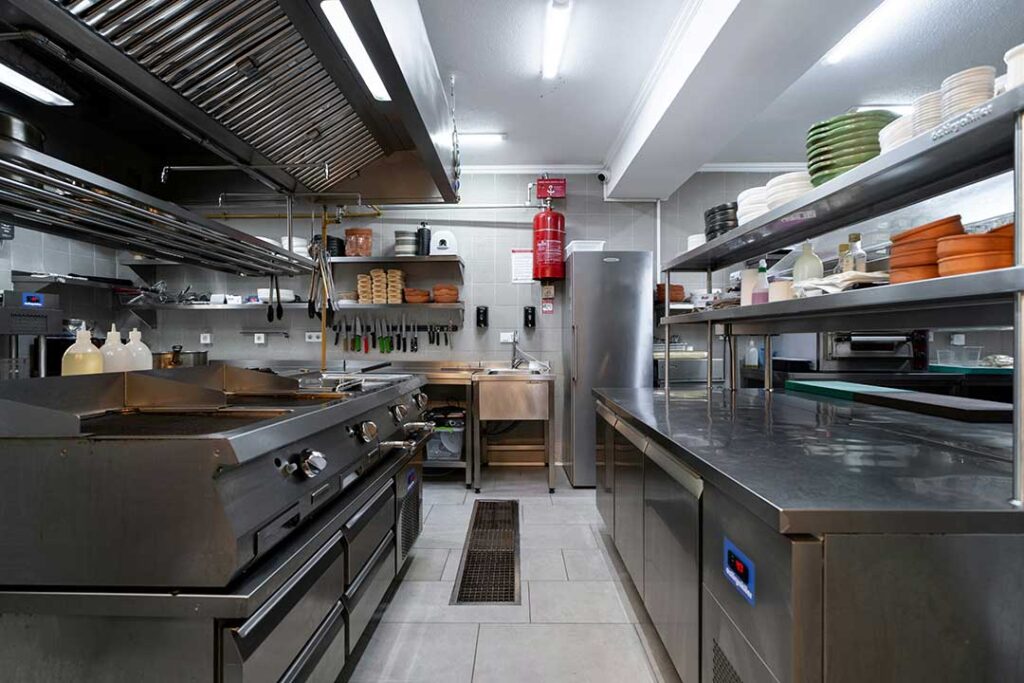
Usually it belongs to one person. Built up over years, never written down, never properly explained to anyone else. It works well enough when that person is there. When they’re not, things get approximate. Nobody sets out to cut corners. They just don’t know what the corners are.
I was that person for longer than I should have been.
I opened a lot of kitchens in my early years. As a commis, as a chef de partie, as a sous chef. By the time I had my own kitchen, I thought I knew exactly how to open it. And I did, in the sense that I could do it myself, efficiently, to a standard I was satisfied with. What I couldn’t do was hand that opening to someone else and be confident they’d do it the same way. Because the way I opened my kitchen lived entirely in my head. It wasn’t a system. It was me.
The days I wasn’t there, the opening was whatever the most senior person present decided it was. Sometimes that was fine. Sometimes I’d come back to a kitchen that had started the day on the wrong foot and was still paying for it by the time I arrived. A fridge that had been reading the wrong temperature since seven in the morning. A delivery signed off without being checked. A prep list that didn’t exist because the person who carried it in their head was off sick.
It took me longer than it should have to understand that the problem wasn’t my team. My team was good. The problem was that I had never sat down and decided, clearly and specifically, how this kitchen was going to open. I had never written it down. I had never made it a standard that existed independently of me.
I had, without realising it, made myself a single point of failure in my own kitchen.
The opening procedure is the first decision your kitchen makes every day. It determines what state the kitchen is in when service begins, what problems have been caught and what problems are waiting to surface. Get it right and the day has a foundation. Get it wrong, or leave it to habit, and you spend the rest of the day building on ground that was never properly prepared.
What I’ve put together in the kitchen opening procedure is the system I wish I’d had thirty years ago. Five phases, run in sequence, each one setting up the next. Entry and environment before cold storage. Cold storage before goods are received. Goods received before section sign-off. Section sign-off before the brigade briefing. Not arbitrary. Each stage produces information the next stage depends on. Disrupt the order and you disrupt the logic.
It covers what to check and why, what standard each check needs to meet, who is responsible for each part, and what to do when something isn’t right. Because something will not be right, regularly, in small ways and occasionally in large ones. A fridge out of range. A delivery that needs to go back on the van. A section chef who hasn’t shown. The question isn’t whether those mornings happen. The question is whether your kitchen has a framework for them or whether it works it out from scratch every time.
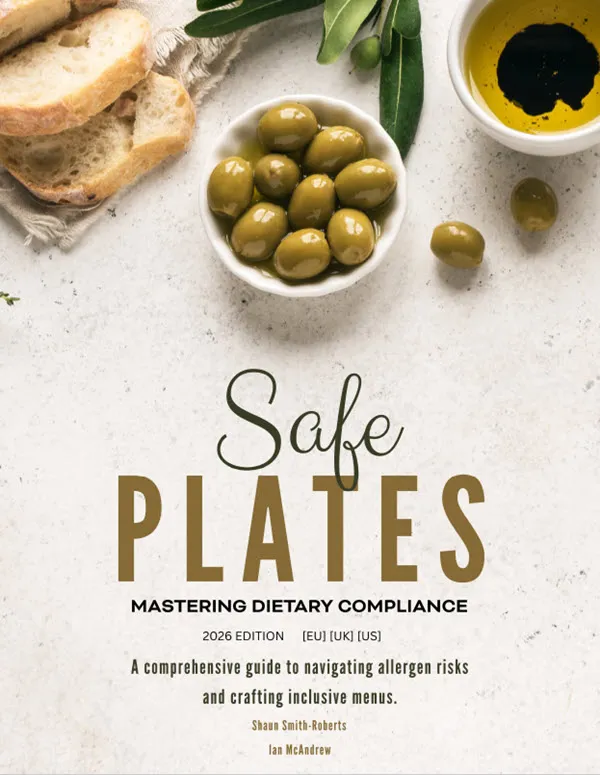
There are four working templates included: the opening log, a quick reference for the pass, a temperature standards sheet, and a prep list. All of them are designed to be adapted for your kitchen, not used as issued and then quietly ignored because they don’t quite fit.
This isn’t for the chef who opens the same small kitchen every morning and knows every corner of it. If that’s you, some of it will still be useful, but it’s not primarily written for you. It’s written for the senior chef, the kitchen manager, the group executive, and/or the GM who needs their kitchen to open to the same standard regardless of who is holding the keys that morning. It’s written for the days you’re not there.
Because those days come for everyone. And when they do, either you have a system or you don’t.
The kitchen opening procedure is available now at chefs. studio.
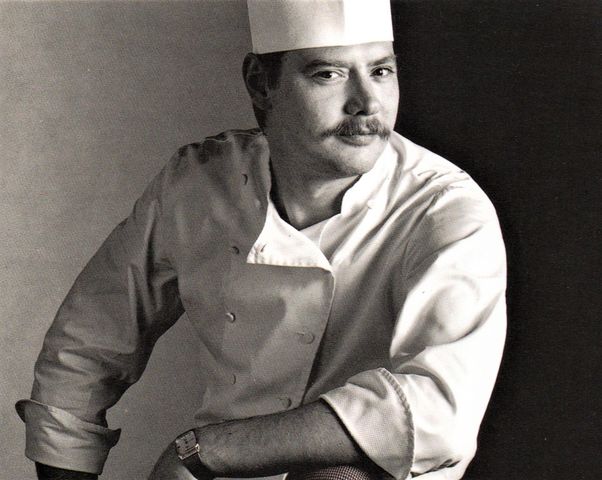
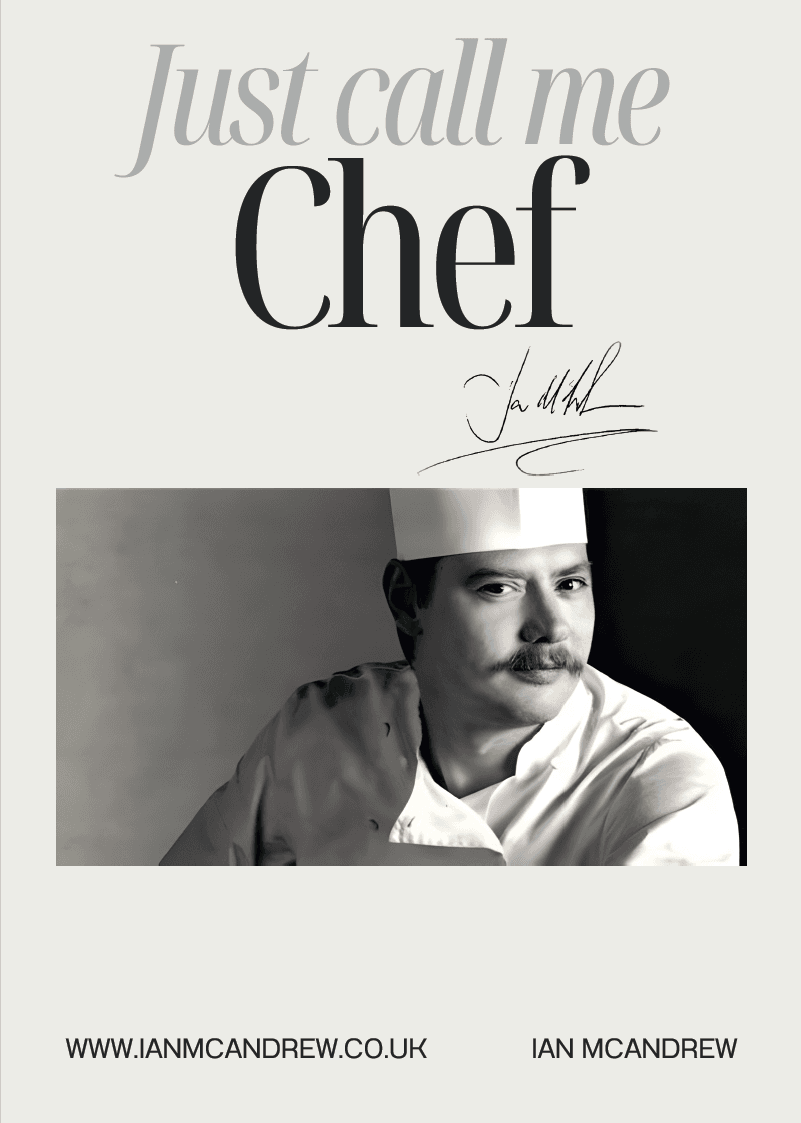
Chef Ian McAndrew’s specialist eBooks and guides are available directly on ChefYesChef, including his technical titles and autobiography. If you want more practical, chef-led reading beyond this article, you’ll find the full collection here.
Chef Ian McAndrew works with chefs, businesses, and individuals on a wide range of culinary projects, from concept development to practical problem-solving.
If you’d like to talk through an idea or need informed guidance, you’re welcome to contact him.
Essential cookies required for the site to function. Cannot be disabled.
Cookies that help us understand how visitors use the site.
Cookies used to deliver relevant advertisements.
Privacy Policy Terms of Service