
Sous Chef vs Head Chef: The Better Job Might Surprise You
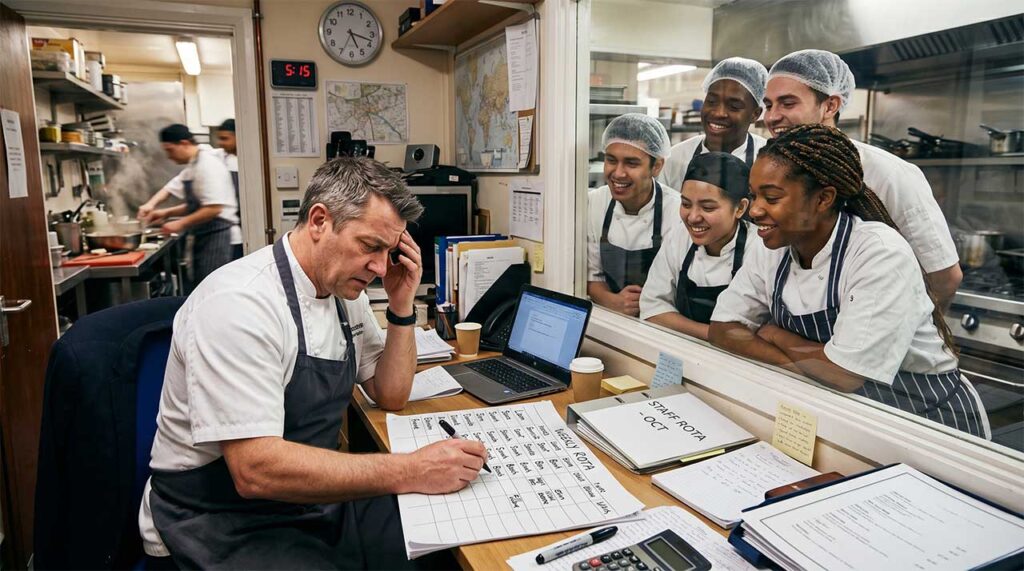
TL;DR: Sous chef vs head chef is not a clear win for the top job. The sous chef stays closer to the food, avoids the admin overload, and sits at the centre of kitchen action. For many chefs, it is genuinely the better position.
The sous chef role is, in my view, the better job in any professional kitchen. There. I have said it, and I am not taking it back.
I spent the better part of twenty years working my way up through kitchens, eventually landing the head chef position I had apparently been chasing the whole time. And within about six months of getting there, I started to quietly miss where I had been. The sous chef position had given me something the top job never quite managed: room to actually cook. If you are thinking about chef career progression and wondering which direction to push in, I would ask you to sit with that thought for a moment before you sprint for the pass.
Sous Chef vs Head Chef: What the Job Actually Looks Like Day to Day
Before anyone accuses me of romanticising the number two position, let’s be clear about what each role actually involves in practice. The head chef runs the kitchen. Full stop. That means menus, food costs, supplier relationships, rotas, HR headaches, service recovery when the pass falls apart, and enough email to make a grown adult weep into their mise en place. The cooking, somewhere in all of that, gets squeezed in around the edges.
The sous chef, on the other hand, sits right at the centre of the action. The professional kitchen hierarchy places the sous chef between the executive decisions at the top and the section work below. That is not a middle-management purgatory. That is the best seat in the house. You are close enough to the food to smell it properly and far enough from the budget spreadsheets to retain your sanity.
When I was sous chef at a Michelin-star operation in the mid-nineties, I came in at six each morning, handled the meat prep myself because I did not trust anyone else to do it to the standard I wanted, ran the lunch service from the hot section, and still had enough left in me by the afternoon to work on ideas with the chef. The head chef, meanwhile, was on the phone to the accountant. I knew which of us was having a better time.
The Benefits of Being a Sous Chef That Nobody Talks About
People talk about the benefits of being a sous chef in terms of learning and development, which is true but rather undersells it. Yes, you learn. Constantly. But the real benefit is that you are still fundamentally a cook rather than an administrator who occasionally touches a pan.
Here is what the sous chef position gives you that the head chef role quietly takes away:
- You cook during service rather than watching other people cook and correcting them.
- You can develop your own palate without the commercial pressure of having to justify every decision in a budget meeting.
- You lead a team through direct example rather than through memos and rotas.
- When something goes wrong, it is your problem to fix in the moment. When it goes right, you feel it in your hands, not just in the quarterly review.
The sous chef is also, frankly, more respected on the floor by the brigade than the head chef in most kitchens I have worked in. Cooks respect the person they see grafting beside them. It is a simple truth that gets forgotten once people start worrying about their title on a business card.
Head Chef Pressure and Stress: The Part the Job Adverts Leave Out
The head chef’s pressure and stress are not a myth told to frighten young cooks. It is structural. The moment you become head chef, you are accountable for everything that happens in that kitchen, including the things you had no hand in whatsoever. A supplier delivers wet, sad spinach on a Friday evening. A commis calls in sick. A reviewer walks in unannounced on the one night the lamb is slightly overdone because your best person is at a wedding in Shropshire. All of it lands on you.
I am not saying the sous chef has no pressure. Anyone who tells you the number two role is stress-free has never run a dinner service for a hundred and forty covers with two people down on the larder section. But the pressure of the sous chef is immediate and physical. You respond to it with your hands and your instincts. The pressure of the head chef is existential and financial, and it follows you home in a way that service pressure never quite does.
I started grinding my teeth within eight months of becoming head chef. My sous chef at the time, a very calm Frenchman called Philippe who had been offered the top job elsewhere and turned it down, slept like a log every night. I chose to find that annoying rather than instructive. That was a mistake.
Professional Kitchen Hierarchy: Where the Real Craft Lives
There is a tendency in the industry to treat culinary leadership roles as a pyramid, with the head chef at the apex and everyone else arranged below in descending order of importance. This view flatters the person at the top and misunderstands where the actual craft of cooking happens.
The sous chef leads through cooking. That is a form of leadership that the head chef, buried in operational detail, often loses access to over time. You cannot inspire a young cook with a well-constructed rota. You can inspire them by showing them how to properly reduce a sauce until it coats the back of a spoon without going tight and explaining exactly why the temperature matters at each stage. That is teaching. That is leadership in a kitchen context. And it belongs to the sous chef far more naturally than it does to the head chef.
What Good Sous Chefs Actually do.
The best sous chefs I have worked with or employed over the years shared a few qualities that had nothing to do with ambition or title. They were obsessive about consistency. They knew every section of the kitchen well enough to step in without fuss. They could read a service ten minutes before it started and know where the problems were likely to emerge. And they communicated with the brigade in plain, direct language without theatre.
None of those qualities require a head chef title. In fact, the head chef title can actively corrode them, because the role introduces distance between the person and the work.
Should You Actually Aim for Head Chef?
I am not arguing that nobody should become head chef. Kitchens need them. The question is whether you should want it for the right reasons rather than because it is the next rung on the ladder that everyone around you assumes you are climbing.
If you genuinely want to build a menu from scratch, manage a team long-term, and take responsibility for the commercial health of a kitchen, then head chef is probably the right move for you. If, however, what you actually love is cooking at a high level, developing dishes, and being physically in the middle of a service, you might find that the sous chef position keeps you closer to all of it for longer.
Chef career progression does not have to mean moving away from the thing you were good at in the first place. Philippe, the calm Frenchman with the excellent sleep, eventually became one of the most sought-after sous chefs in London. He turned down four or five head chef offers over the course of his career. He was perfectly content. And the food on every section he ran was, without exception, better for his presence in it.
Frequently Asked Questions
Is a sous chef higher than a head chef?
No. In the professional kitchen hierarchy, the head chef sits above the sous chef in terms of seniority and overall responsibility. The sous chef is second in command, typically managing day-to-day kitchen operations and leading the brigade during service while the head chef takes responsibility for the broader running of the kitchen and its direction.
What are the main benefits of being a sous chef compared to a head chef?
The sous chef remains closer to the actual cooking, leads through direct example rather than administration, and tends to carry a different quality of pressure: immediate and manageable rather than financial and persistent. Many experienced cooks find the sous chef role more satisfying precisely because it keeps them active in the work they trained for.
How much does a sous chef earn compared to a head chef?
Head chefs typically earn more, though the gap varies considerably depending on the size and type of establishment. In smaller kitchens, the difference in salary can be fairly modest. Whether the additional pay justifies the additional responsibility and stress is a question worth asking honestly before taking the step up.
Can you be happy as a sous chef long-term without moving up?
Entirely. The pressure within the industry to keep climbing can obscure the fact that staying in a role where you are genuinely skilled and genuinely satisfied is a reasonable and respectable choice. Not every career path needs to end at the top of the tree.
The question worth sitting with, if you are currently a sous chef eyeing the head chef position, is this: what part of your job do you actually enjoy, and does becoming head chef bring you more of it or less?