Menu Writing: Good Dish vs Workable Kitchen
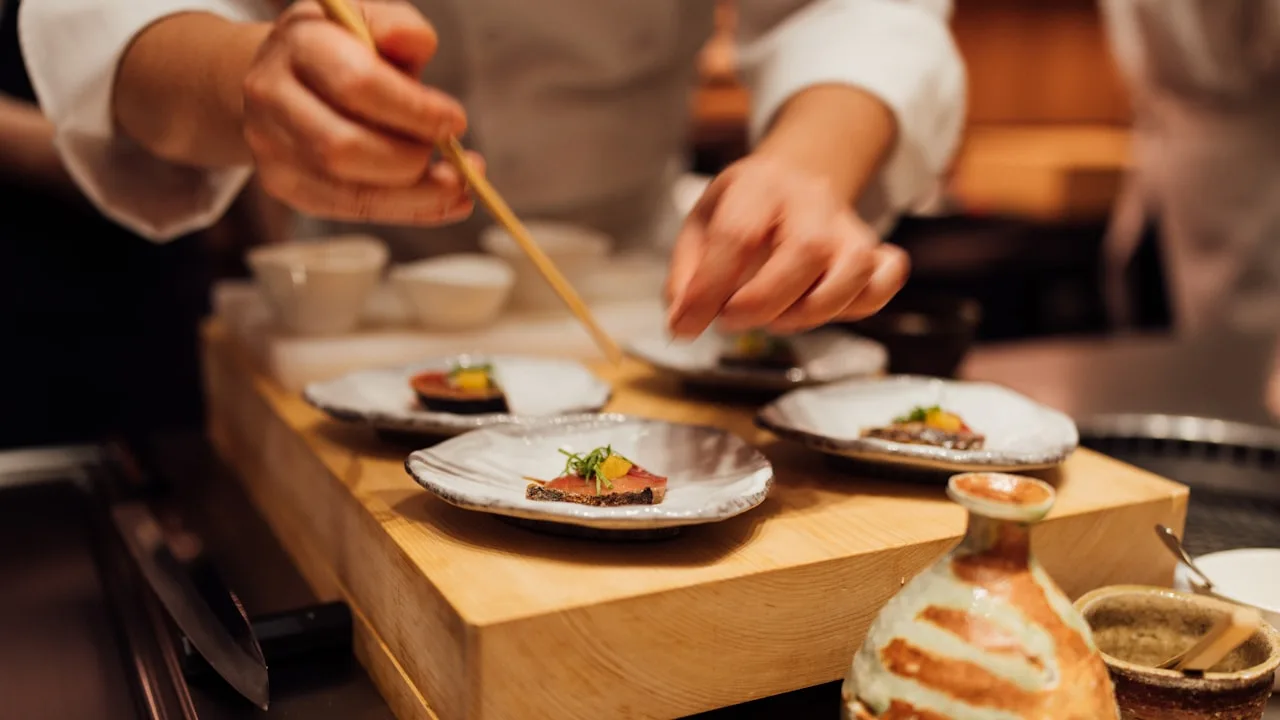


I once watched a young chef spend forty minutes constructing a plate of food that looked like something from a design school portfolio. Smears, dots, micro herbs arranged with tweezers, the lot. Then I tasted it. The flavours had nothing to say to each other. The beetroot was fighting the citrus, the chocolate was having an argument with the fish (yes, fish), and the whole thing was exhausting to eat. Technically accomplished. Completely joyless. That is what happens when someone thinks about how food looks before they understand how food tastes.
Understanding flavour is not about memorising charts or following some algorithm some app has spat out at you. It is about developing a genuine, hands-on relationship with ingredients. It takes time. It takes tasting things constantly, even when it is not mealtime. And it takes the humility to admit that a simple roast chicken with good butter and a few tarragon leaves will always outperform something trying too hard.
A flavour profile is just a way of describing the overall impression an ingredient or dish leaves on the palate. It covers taste (sweet, sour, salty, bitter, umami), but also aroma, texture, temperature, and even a sort of emotional association. A ripe tomato warm from the vine has a completely different profile from a pale, watery one sitting under fluorescent lights in a supermarket in February. Same ingredient. Entirely different experience.
When you understand what an ingredient brings to the party, you can decide what it needs alongside it. Does it need contrast? Does it need reinforcement? Does it need to be left alone? Some ingredients are prima donnas and require the other elements to step back quietly. Good asparagus, for instance, barely needs anything. A little melted butter, maybe some sea salt. That is cookery.
Before you can combine flavours with any confidence, you need to know your building blocks. These are the five basic tastes your tongue actually detects, and they interact constantly on a plate.
Most well-composed dishes hit several of these at once. That is not an accident. It is craft.
There are two fundamental ways to combine flavours. You can go for harmony, pairing ingredients that share similar flavour compounds and feel natural together, like peas and mint, or lamb and rosemary. Or you can go for contrast, pairing ingredients that oppose each other and create interest through tension. Salty and sweet. Rich and sharp. Creamy and crunchy.
Neither approach is superior. The trick is knowing which one the dish calls for. A delicate poached sole wants harmony. A fatty pork belly wants something to cut through it, something acidic, something pickled, something with enough backbone to hold its own against all that fat. Think about what you are asking of each ingredient before you put it on the plate.
A practical way to start building this instinct is to taste individual ingredients on their own, then together, and pay attention to what happens. Does the combination feel resolved? Does it create excitement? Does it make you want another mouthful? That last question, by the way, is the only real test.
One of the things I find quietly maddening is the way people overcomplicate flavour pairing when nature has already done most of the thinking. Ingredients that grow together, or that come into season at the same time, almost always work together. Tomatoes and basil in late summer. Butternut squash and sage in autumn. Rhubarb and ginger in early spring. This is not coincidence. It is biology, and several thousand years of people figuring out what tastes good.
If you buy seasonal produce from a decent greengrocer or farmers market, you will find that the hard work of flavour pairing largely looks after itself. The problem starts when people insist on eating strawberries in January. At that point, the strawberry is flavourless, the combination possibilities collapse to roughly zero, and everyone is disappointed. (Except the logistics company that flew the thing halfway round the world, presumably.)
This is the thing culinary school teaches and home cooks often forget: texture is inseparable from the experience of flavour. A silky soup with a garnish of crispy shallots. A rich, slow-cooked braise with a scattering of something fresh and crunchy on top. These contrasts wake up the palate and keep eating interesting. Without textural variety, even a well-seasoned dish can feel monotonous after a few bites.
Think about what you are asking each component to do in the mouth. Softness, crunch, chew, creaminess, these are all tools. Use them deliberately, not accidentally.
Cookery books, flavour pairing databases, and even advice from people like me can only take you so far. The real education happens in your kitchen, through repetition, through mistakes, and through the occasional plate that surprises even you with how good it is. Your palate is a muscle. The more you use it attentively, the more reliable it becomes.
Do not be intimidated by the idea of combining flavours. You have been doing it instinctively since you first put salt on chips (admit it). What we are really talking about here is just making that instinct more conscious and more deliberate. Tasting with intention. Asking questions of your ingredients. Respecting what they do well and not asking them to do things they are rubbish at.
The goal is not perfect food. The goal is food that makes whoever is eating it feel something. Warmth, comfort, pleasure, a sudden memory of somewhere or someone. That is what flavour, understood properly, can do. And no amount of tweezered micro herbs will get you there if the fundamentals are not in place.
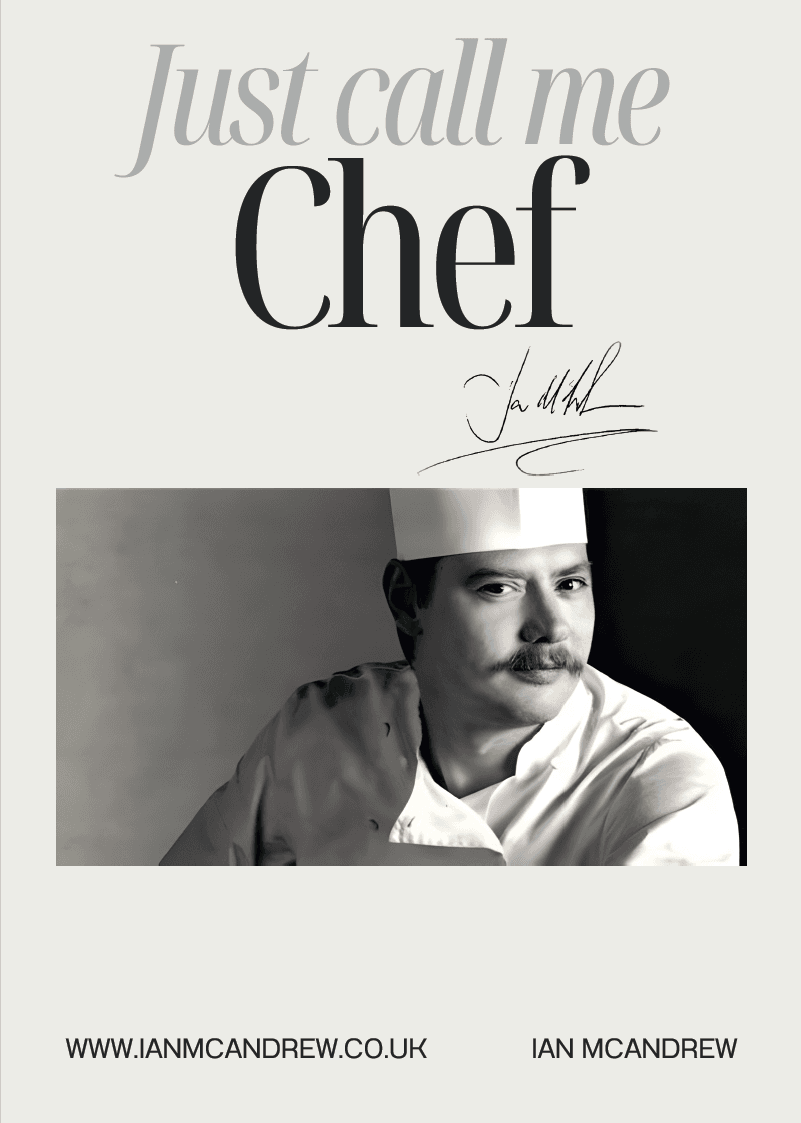
Chef Ian McAndrew’s specialist eBooks and guides are available directly on ChefYesChef, including his technical titles and autobiography. If you want more practical, chef-led reading beyond this article, you’ll find the full collection here.
Chef Ian McAndrew works with chefs, businesses, and individuals on a wide range of culinary projects, from concept development to practical problem-solving.
If you’d like to talk through an idea or need informed guidance, you’re welcome to contact him.
Essential cookies required for the site to function. Cannot be disabled.
Cookies that help us understand how visitors use the site.
Cookies used to deliver relevant advertisements.
Privacy Policy Terms of Service