Social Media & Chef Reputation: Hired Before a CV




I once hired a commis chef who could turn out a perfect brunoise at interview. Clean cuts, even dice, not a millimetre out. He was fast, tidy, and had a CV that read like a greatest hits of London kitchens. He lasted eleven days. Couldn’t take a correction without sulking, had a theatrical response to every busy service, and once, memorably, told a senior chef that a particular technique was “a bit old-fashioned.” He was gone before the month was out, and the kitchen breathed easier the moment he left.
Then there was a young woman who came to me with almost no formal experience. She’d worked in a pub, done a brief stint at a catering college, and had spent most of her twenties doing something entirely unrelated to food. But she arrived early, stayed late, asked questions that weren’t annoying, and genuinely seemed to care whether the food was good. Within a year, she was one of the best section chefs I’d had in a long time. So. What exactly are we hiring for?
Skills are seductive. You can see them, test them, and tick them off a list. Can they debone a chicken? Yes. Can they make a proper beurre blanc without splitting it? Apparently. Do they know the difference between a julienne and a chiffonade? Marvellous. These things matter, of course they do. You can’t run a serious kitchen on goodwill and enthusiasm alone. But skills, in my experience, are largely teachable. Attitude is not.
The problem with prioritising skill above everything else is that you end up with a brigade of technically proficient people who may or may not actually work together. And a kitchen that doesn’t work together is like a sauce that hasn’t emulsified: it looks alright until it suddenly, catastrophically, isn’t. You need people who communicate, who cover for each other, who accept that some nights are harder than others and don’t make it everyone else’s problem.
I have seen technically brilliant chefs make a kitchen miserable. Their food was, admittedly, excellent. Their impact on morale was the culinary equivalent of opening a window in January and leaving it open for six months. No amount of knife skill compensates for that.
When people talk about hiring for attitude, there’s a risk it sounds vague and a bit corporate, like something from a management seminar where everyone wears lanyards. But in a kitchen, good attitude is entirely concrete. It’s the person who notices a colleague is struggling on their section and quietly helps without being asked. It’s the chef who tastes their own food, repeatedly, without prompting. It’s the ability to hear “that’s not right, do it again” and respond with curiosity rather than defensiveness.
Good attitude is also about durability. Kitchens are not, despite what television might suggest, a constant parade of dramatic moments and triumphant plating. They are repetitive, physically demanding, and occasionally quite boring. The willingness to do the unglamorous work, properly, every single day, is not a minor quality. It is almost everything.
There is also something to be said for genuine curiosity about food. Not the performative kind, not the sort of person who name-drops restaurants they’ve been to as if that constitutes knowledge, but real, sustained interest in why things taste the way they do, where ingredients come from, and what happens when you treat them well. That curiosity, in a young cook, is worth more than almost any existing skill.
I should be fair. There are situations where skill must come first. If you’re hiring a pastry chef to open in four weeks and your existing team has no one who can temper chocolate reliably, then you need someone who can do it. You don’t have time to train from scratch. Similarly, certain senior roles require a level of experience and technical foundation that can’t be improvised. You wouldn’t hand a new sous chef role to someone charming but green and expect it to go smoothly.
The question is really about where you place your emphasis, and crucially, what you’re willing to compromise on. A highly skilled chef with a difficult temperament is a short-term solution with long-term consequences. A willing, intelligent, hard-working person with some gaps in their technique is, in most cases, a much better investment.
Skills also have a floor, not just a ceiling. Someone who struggles to hold a knife properly on day one but pays attention and practises will get there. Someone who fundamentally doesn’t want to be corrected, or who brings drama to every service, will not improve with technique lessons. Their ceiling is already set, and it’s lower than it looks.
Most chefs are not natural interviewers, and that’s fine. You don’t need to be. But there are a few things worth paying attention to when someone comes in for a trial or a chat.
The best brigades I’ve worked with, and the best one I ever had the privilege of leading, were not the most individually talented collections of chefs I’ve encountered. They were, however, groups of people who fundamentally wanted the food to be good and understood that this required working together without ego getting in the way. The food that came out of those kitchens was consistently excellent, not occasionally brilliant, and that consistency is what actually matters when you’re running a serious restaurant.
You build that kind of brigade not by collecting the cleverest CVs, but by being deliberate about the culture you’re creating. That means being honest about what you expect, holding people to it consistently, praising the things that deserve praise, and not tolerating the behaviours that make kitchens miserable. It means hiring more slowly than feels comfortable, and being willing to say no to technically impressive candidates who feel wrong in other ways.
It also means, frankly, being the kind of chef that the people you want to hire would actually want to work for. That’s a separate conversation, but it’s not unrelated. Attitude runs both ways.
Skill gets you through a service. Attitude is what makes a kitchen worth coming back to, day after day, in the middle of February when the deliveries are wrong and the bookings have gone to pieces. That, in the end, is what you’re actually hiring for.
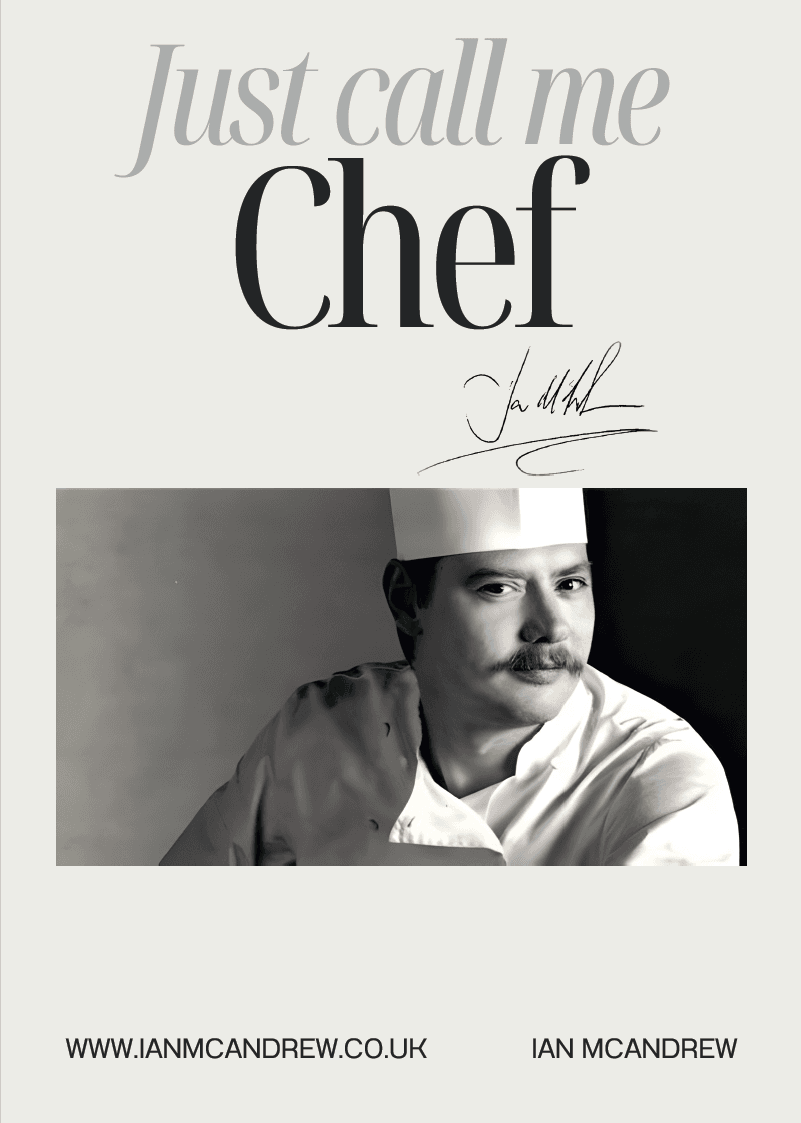
Chef Ian McAndrew’s specialist eBooks and guides are available directly on ChefYesChef, including his technical titles and autobiography. If you want more practical, chef-led reading beyond this article, you’ll find the full collection here.
Chef Ian McAndrew works with chefs, businesses, and individuals on a wide range of culinary projects, from concept development to practical problem-solving.
If you’d like to talk through an idea or need informed guidance, you’re welcome to contact him.
Essential cookies required for the site to function. Cannot be disabled.
Cookies that help us understand how visitors use the site.
Cookies used to deliver relevant advertisements.
Privacy Policy Terms of Service