Allergen Training That Actually Works


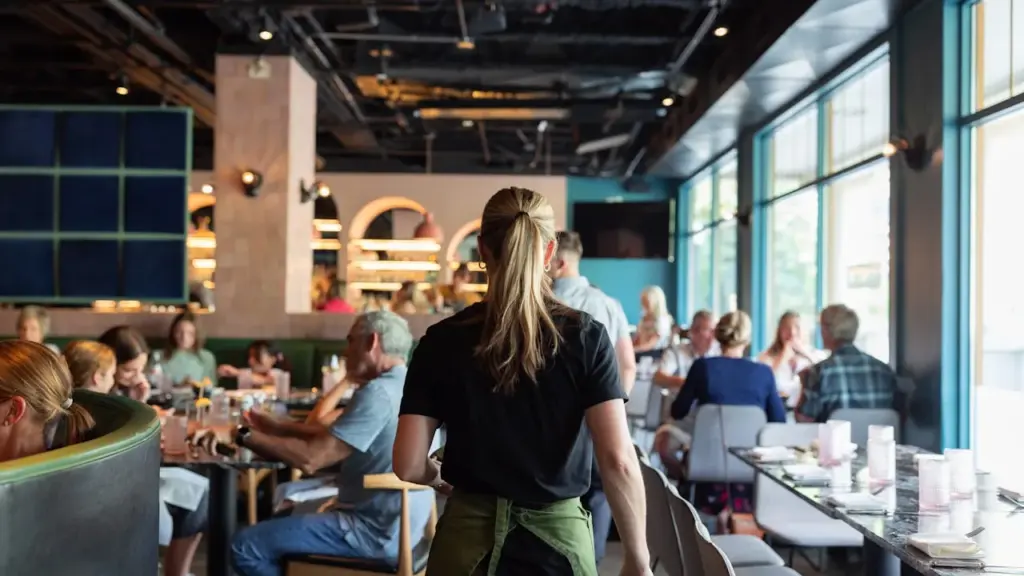
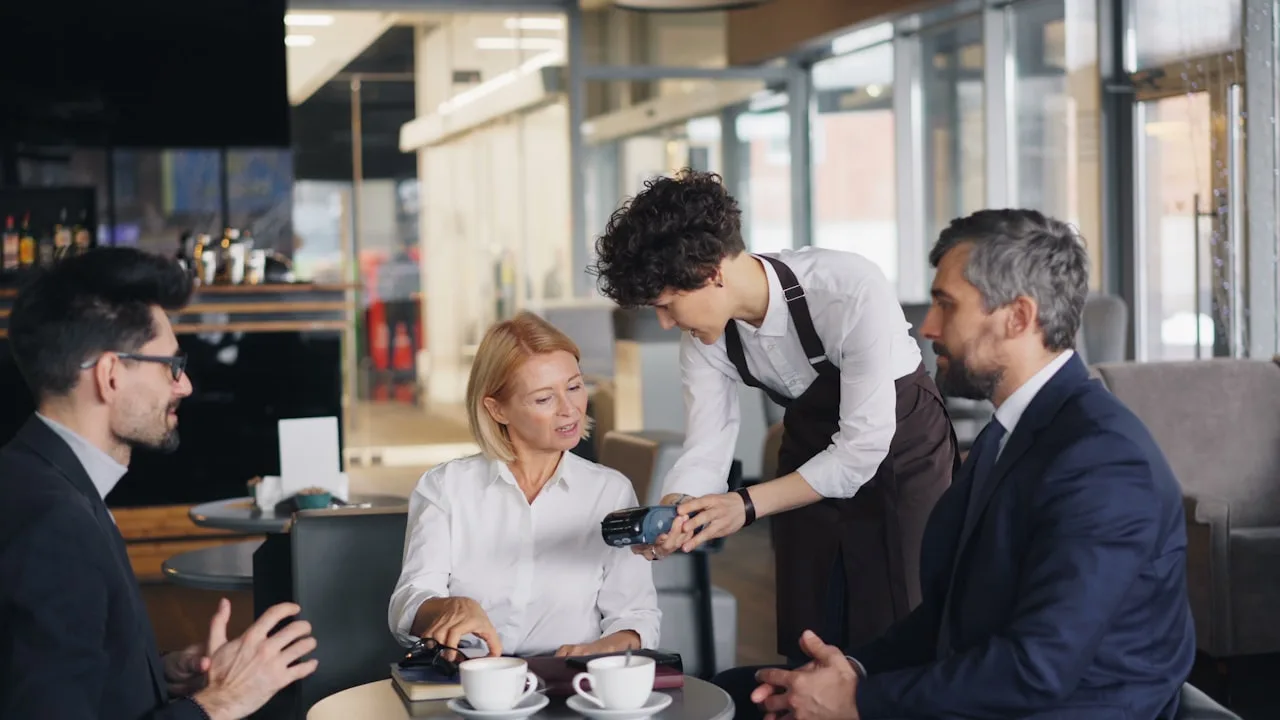
There is a moment in every service that tells you everything about how well a restaurant is run. It is not when the food goes out. It is when a guest asks a server about a dish and you watch that server’s face.
You can see it happen in real time. The slight hesitation. The reaching for a phrase they half-remember from an induction that happened months ago. The safe, vague answer that technically says something and actually says nothing. “It’s one of our most popular dishes.” “The chef uses really high-quality ingredients.” “It comes with a sauce on the side.”
That is not service. That is a person filling a silence.
Trevor Walford wrote recently about the decline of the art of the table, and one observation in particular stayed with me. He talks about scripted upselling and transactional dialogue replacing genuine knowledge and confidence at the table. He is right. But I would go one step further: the script exists because nobody gave the server anything better to work with.
That is a kitchen problem as much as it is a front of house problem.
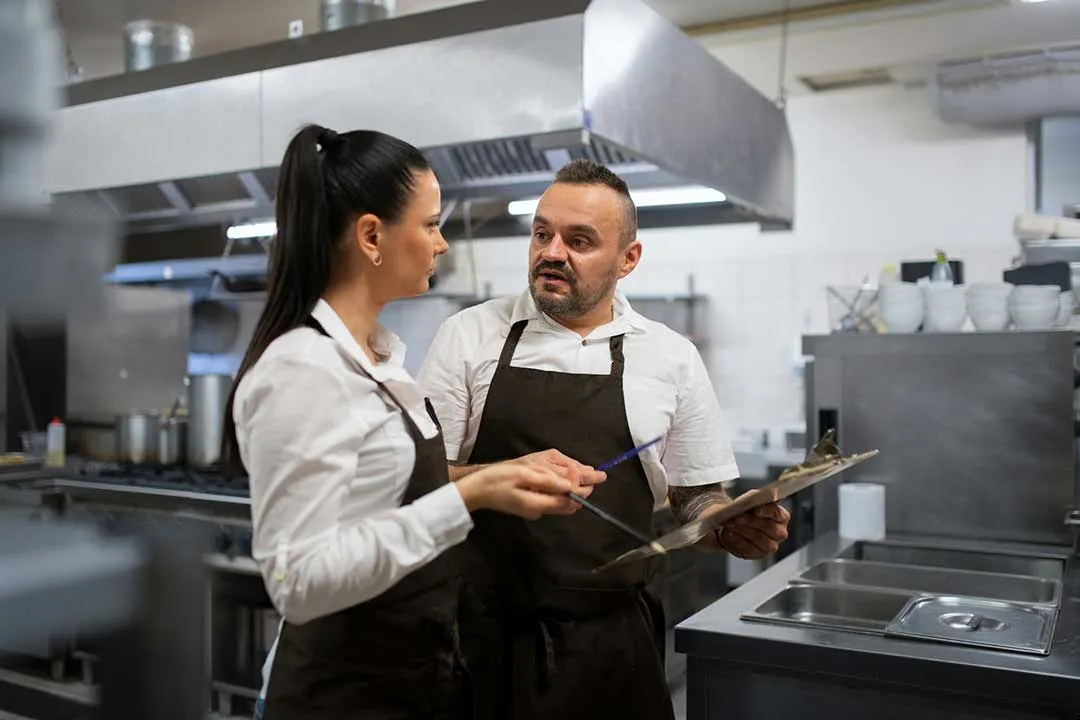
I am not talking about gathering the team in the car park for a pep talk. I am talking about five minutes before service, where the chef tells the floor what they are actually serving that night.
Not the menu. They can read the menu. I mean the thinking behind it. Why that fish and not another? Where the lamb came from and why it matters. What the sauce is doing on the plate and how it changes if you leave it too long before eating. The detail that makes a dish worth explaining rather than just delivering.
When a server has that information, something shifts. They stop reciting and start talking. And there is a significant difference between those two things, even if the words are sometimes similar. One sounds like a person reading from a card. The other sounds like someone who knows what they are talking about. Guests feel that distinction immediately, even if they could not explain why.
Menu tastings are often treated as a bonus. A nice thing to do when there is time and budget. A reward, almost.
That is the wrong way to look at it entirely.
When a server has eaten the dish, they own it. They can describe the texture because they have experienced it. They can recommend it honestly because they have a genuine opinion. They can answer the follow-up question, and there is always a follow-up question, without reaching for a script, because the answer is sitting in their own memory rather than borrowed from someone else’s briefing notes.
You cannot fake having tasted something. Guests who eat well themselves will know within a sentence whether the person talking to them has actually tried the food or is performing familiarity with it. And once that credibility is gone, so is the connection.
Here is the practical argument for anyone who needs the numbers to make the case.
A server who understands the food sells more of it. Not because they have been trained in upselling techniques, not because they are following a sequence, but because genuine enthusiasm for a dish is persuasive in a way that no script ever manages to be. When someone says, “I’d go for the turbot; I had it earlier, and the way they’ve handled the acidity is quite something,” that sells a dish. When someone says, “The turbot is very popular and comes with a seasonal garnish,” that does not.
The irony of scripted upselling is that it tends to undermine the very sale it is trying to make. It signals to the guest that the server is performing a function rather than sharing a point of view, and most people respond to that by defaulting to whatever they were already going to order.
What It Does to the Kitchen and Floor Relationship
There is something else that happens when kitchens brief the front of the house properly, and it is less talked about but just as important.
It builds respect between two parts of the operation that are too often running in parallel rather than together. The kitchen thinks the front of house does not care about the food. The front of house thinks the kitchen does not care about the guests. Both are usually wrong, but the structure of most services does nothing to challenge either assumption.
A briefing changes that. When a chef stands in front of the service team and explains why a dish matters, it communicates something beyond information. It says the food is worth understanding. It says we are all part of the same thing. That shift in dynamic tends to show on the floor in ways that are difficult to measure but impossible to miss.
Trevor’s piece is worth reading in full for the broader picture of where dining room craft has gone and why. But the briefing is where I would start. It costs nothing but time; it is entirely within the control of any operation regardless of size or budget, and the difference it makes to the quality of service is immediate.
Five minutes before service. Every service. Talk to your staff about the food.
It should not need saying. But apparently it does.
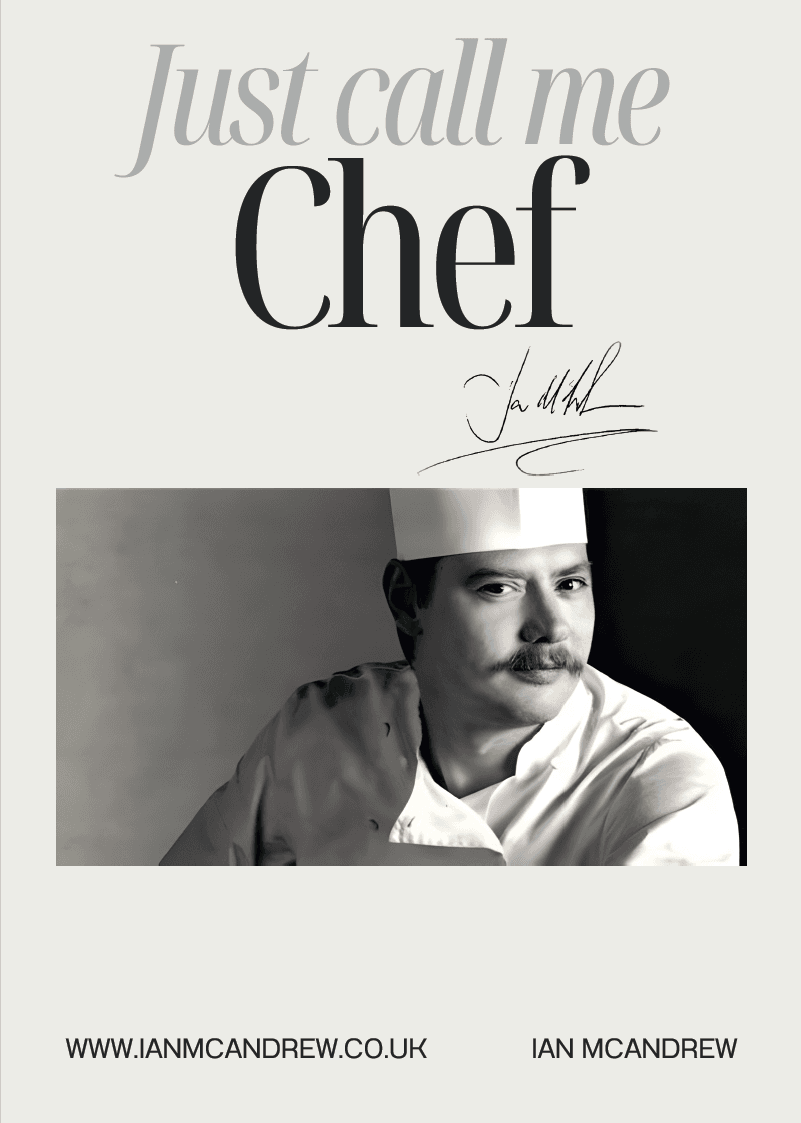
Chef Ian McAndrew’s specialist eBooks and guides are available directly on ChefYesChef, including his technical titles and autobiography. If you want more practical, chef-led reading beyond this article, you’ll find the full collection here.
Chef Ian McAndrew works with chefs, businesses, and individuals on a wide range of culinary projects, from concept development to practical problem-solving.
If you’d like to talk through an idea or need informed guidance, you’re welcome to contact him.
Essential cookies required for the site to function. Cannot be disabled.
Cookies that help us understand how visitors use the site.
Cookies used to deliver relevant advertisements.
Privacy Policy Terms of Service