
Chefs Studio Journal
What’s Coming Into Season in British Kitchens (And Why Timing Matters More Than Lists)
TL;DR: The move from late winter into early spring is gradual, so good seasonality depends on judgement rather than a fixed list. Finish winter produce properly, recognise March’s early signals and wait for April ingredients to reach the quality the menu promises.

Seasonality in British cooking is rarely about abundance.
It’s about judgement.
The transition from late winter into early spring is one of the most revealing moments in the professional kitchen calendar. Ingredients don’t arrive all at once. They edge in. And how a kitchen responds during this period says more about its standards than any high-summer menu ever will.
This is a moment to finish winter properly, not rush into spring too early.
Late Winter: Finish the Job Before Moving On
Before looking forward, it’s worth recognising what late winter still does well.
Vegetables that have sat in the ground through cold months are now sweeter, softer, and more forgiving. Leeks, celeriac, parsnips, swede, and proper winter cabbages are at their most usable right now. Purple sprouting broccoli is still delivering bitterness and depth, but its window is short.
Forced rhubarb, particularly from Yorkshire, remains one of the few genuinely seasonal fruits at this point of the year. It works best when treated with restraint rather than nostalgia.
On the protein side, the final weeks of the game season bring deeper flavour rather than delicacy. Native oysters remain in season while the “R” holds, still offering that cold-water clarity chefs look for.
This is not the time to apologise for winter food.
It’s the moment to close it out with confidence.
March: Early Signals, Not Abundance
March is not a clean break. It’s a shift in emphasis.
You start to see lighter greens and sharper flavours, but they don’t replace winter produce yet. They sit alongside it.
Wild garlic appears briefly and should be treated as such. Its freshness is useful, but overuse flattens menus quickly. Spring onions offer bite rather than sweetness. Watercress comes back into its own, peppery and direct.
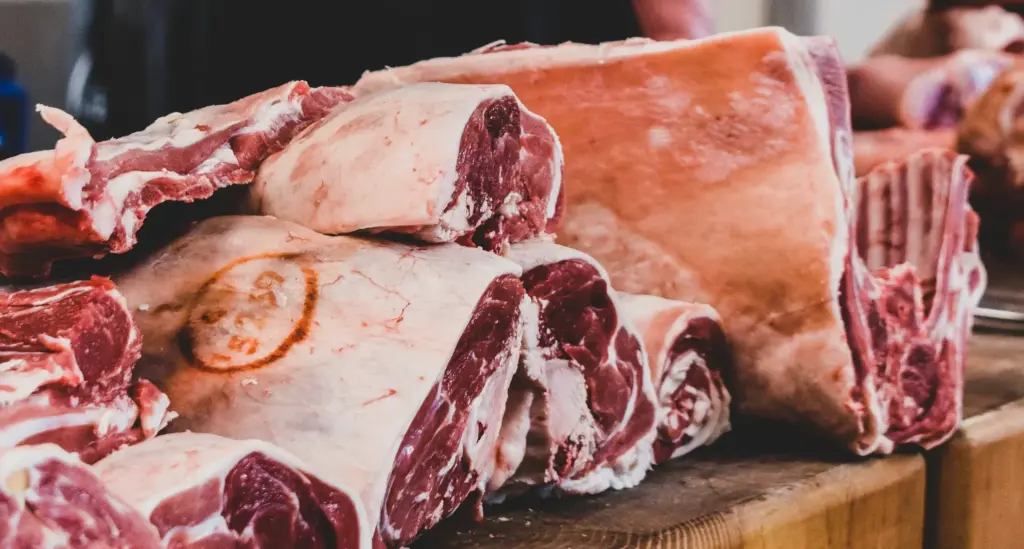
Spring lamb begins to appear, but it’s lighter and less fatty than what many people expect. It rewards simple handling rather than heavy technique. Brown crab improves as the water warms, and shellfish quality generally lifts.
If you want a clear breakdown of what genuinely belongs on a British menu in March, this guide keeps it grounded and realistic:
👉 https://chefs.studio/whats-in-season/march/
The key point for chefs is this: March ingredients don’t want reinvention. They want space.
April: Precision Seasonality Begins
April is where discipline matters most.
This is the month when everyone starts talking about spring, but not everything people expect has arrived yet. English asparagus is still on its way. Peas and broad beans are close, but not quite there.
What is available: rewards precision rather than enthusiasm? Greens become cleaner. Herbs like chives, chervil, and sorrel start to make sense again, but they’re delicate and service-sensitive. New potatoes arrive for texture, not sweetness.
Protein follows the same pattern. Spring lamb is still restrained. Shellfish continues to improve, but it’s not yet at its peak.
A grounded overview of April’s reality, rather than the marketing version of it, is here:
👉 https://chefs.studio/whats-in-season/april/
April menus work best when chefs resist the urge to rush ahead.

A Note on Seasonality in Professional Kitchens
Seasonality isn’t about ticking boxes or labelling menus.
In practice, it’s about timing decisions under pressure:
- Knowing when winter should still dominate
- Recognising when lightness should replace richness
- Understanding that restraint often reads as confidence
The most convincing seasonal cooking often happens:
- Just before abundance arrives
- Or just after it begins to fade
British seasonality rewards chefs who move carefully, not quickly.
If your menus feel calmer, clearer, and more deliberate during these transitional months, you’re probably doing it right.