
Chefs Studio Journal
Running a chef-owned restaurant can be a double edged sword
TL;DR: A chef-owned restaurant cannot succeed on kitchen excellence alone. Front of house must understand the chef’s wider vision for pace, tone and guest experience, supported by continual training and clear daily communication.
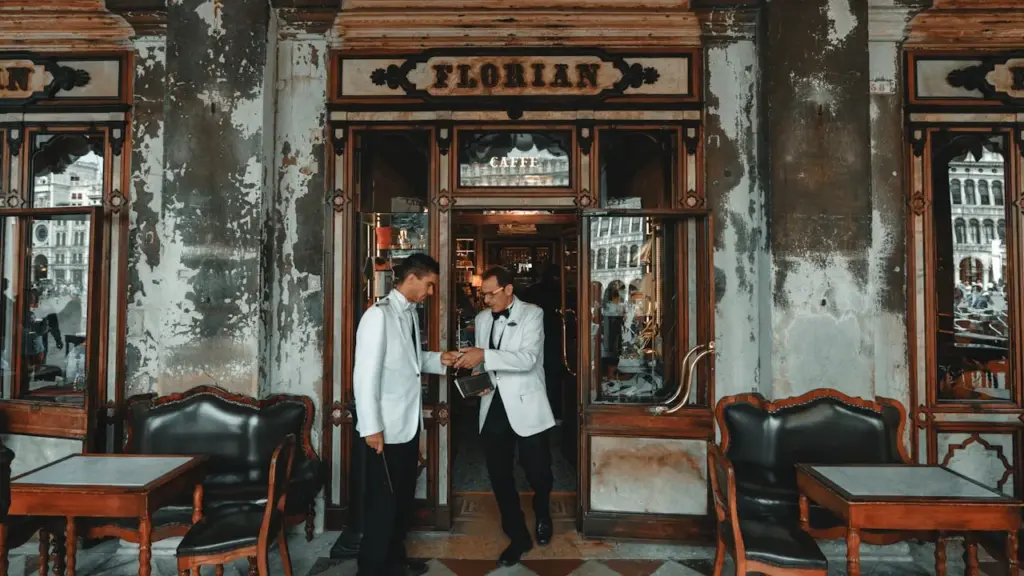
The kitchen might be producing culinary masterpieces, but if the front of house isn’t trained, empowered, and aligned with the chef’s vision, the guest experience can suffer. In many cases, that gap between kitchen excellence and service delivery is exactly where potential is lost, and it is often noticeable from the moment a guest walks through the door.
The key is understanding exactly what kind of experience the chef wants to deliver and making sure the FOH team is on the same page. That vision has to go beyond the plate. It includes the pace of service, the style of interaction, the level of formality, and even the small touches that make a guest feel valued. If the front of house does not fully understand that vision, they cannot execute it consistently. It’s not enough to tell them once; it needs to be reinforced daily through communication and leadership.
Hire staff for attitude first they need to have the people skills and adaptability to handle any situation. The ability to read a table, adjust tone, manage expectations, and deal with challenges calmly is what separates good service from great service. Technical skills can always be trained, and they should be. Shadowing experienced team members, role playing real scenarios, pre service briefings, and ongoing refreshers are essential to keep standards high. Training should never be a one-off exercise; it has to be continuous, evolving as the business grows and as expectations change.
Equally important is building a bridge between the kitchen and the dining room. Too often, these two areas operate separately, when in reality they should function as one team. When the chef respects and communicates with FOH, it creates trust, improves timing, and ensures guests have a seamless experience from start to finish. Knowledge flows better, confidence increases, and the team feels part of something rather than simply performing a role. That connection also allows the front of house to tell the story behind the food, which adds depth to the dining experience.
Recognising good service publicly and coaching privately builds confidence and pride in the team. People perform better when they feel valued, and a simple acknowledgment in front of peers can go a long way. At the same time, constructive feedback delivered in the right way helps individuals grow without feeling undermined. Strong leadership on the floor ensures that standards are maintained, but also that the team feels supported and motivated.
Consistency is another key factor. Guests expect the same level of service whether it is a busy Saturday night or a quiet midweek lunch. That consistency only comes from training, structure, and a team that understands their role within the bigger picture. Without it, even the best food can be overshadowed by inconsistent or inattentive service.
At the end of the day, food brings people in, but it’s great service that keeps them coming back. It is the interaction, the atmosphere, and the way guests are made to feel that creates lasting memories. When a chef’s brilliance meets a trained, empowered FOH team, the result is a dining experience people won’t forget, and more importantly, one they will want to return to time and time again.