Social Media & Chef Reputation: Hired Before a CV




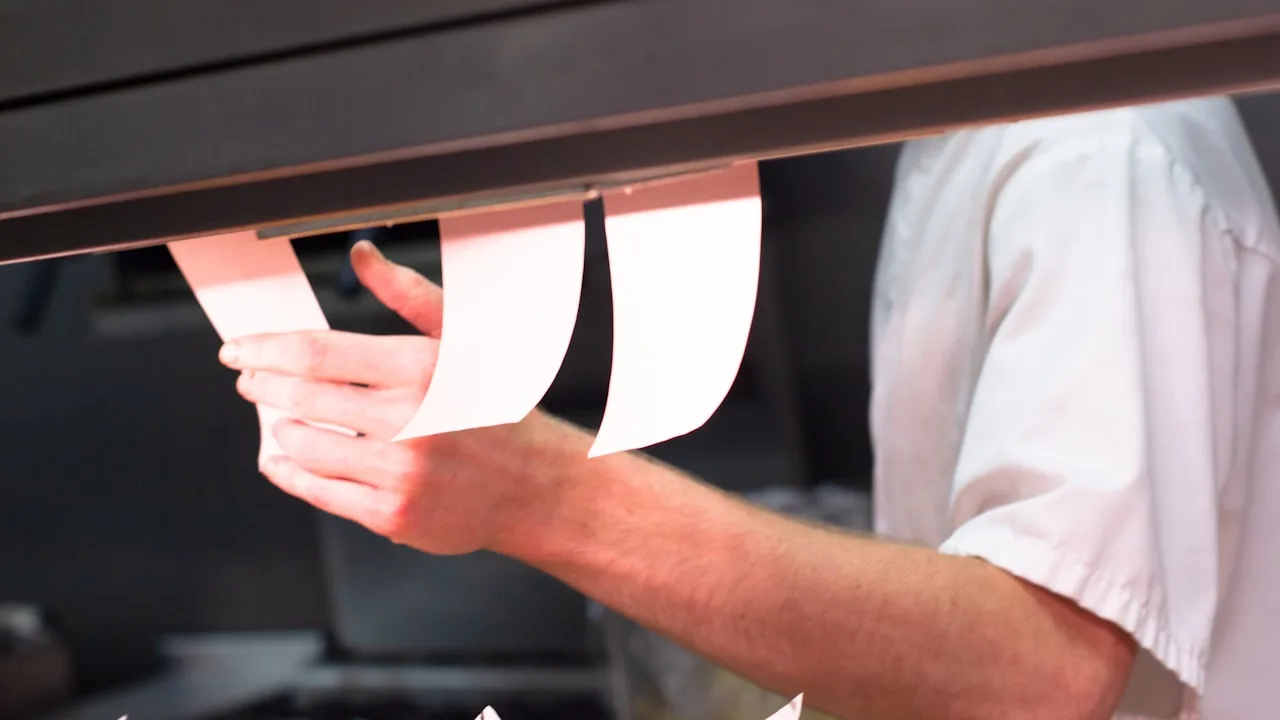
There is a moment, and every chef who has ever been promoted knows it, when you walk back into the kitchen not as a colleague but as the person in charge. The same kitchen. The same faces. The same slightly too-loud radio playing something nobody actually requested. Everything looks identical. And yet nothing is the same at all.
I remember it clearly. I had been on the larder section beside a lad called Terry for two years. We had shared cigarettes, moaned about the same sous chef, and eaten chips out of the same fryer basket on the walk home more times than I care to admit. Then one Tuesday morning I was told I was the new senior sous chef. By Thursday, Terry wouldn’t quite meet my eye. By the following week, I had somehow become the enemy. I hadn’t changed. But the relationship had, and I hadn’t the faintest idea how to manage it.
This is the authority gap. It is one of the most uncomfortable and least-discussed challenges in any working life, whether you are running a kitchen brigade or managing a team of accountants. Your former peers are not hostile, exactly. They are simply uncertain. And that uncertainty, if you do not address it early and honestly, will quietly rot the working relationship like a forgotten bag of spinach at the back of the walk-in.
Managing strangers is, oddly, easier. They have no prior version of you to compare against. They do not remember you botching a beurre blanc in front of a full service, or complaining bitterly about the very policies you are now expected to enforce. Former peers carry all of that context. Every instruction you give them passes through a filter built from shared history, and that filter can be uncharitable even when they mean well.
There is also the question of perceived fairness. In a tight kitchen team, familiarity breeds a kind of informal equality. Everyone has a go at each other, everyone covers for everyone else, and hierarchy is largely tolerated rather than respected. The moment one person steps above the rest, that unspoken contract is broken. People feel, sometimes consciously and sometimes not, that they have been left behind. Not out of malice. Just left.
Add to that the very human instinct to test new authority. Former peers will, often without meaning to, probe the edges of your new role. They will check whether you are still one of them or whether you have genuinely changed. They are not being difficult. They are doing what people do: trying to understand the new landscape.
The most common mistake newly promoted leaders make is trying to remain the friend. You soften instructions so they do not sound like orders. You over-explain decisions to seem reasonable rather than authoritative. You avoid difficult conversations because you do not want to damage the friendship. I did all of this with Terry, and I am not proud of it.
The trouble is, excessive friendliness reads as weakness. Not immediately, but over time. The team stops trusting your judgement because they cannot tell when you are speaking as a manager and when you are just chatting. Standards slip because no one is entirely sure what the actual standard is. And when something goes wrong, as things inevitably do in a busy service, there is no clear line of authority to catch it.
There is an equally counterproductive reaction, which is going too far the other way. Suddenly becoming formal, clipped, and slightly aloof in an attempt to project authority. Your former colleagues see this as performance, and they are right. It is. And nobody is fooled by it. You end up with the worst of both worlds: too distant to lead warmly, not credible enough to lead firmly.
There is no clever trick here. The gap closes through consistency, clarity, and a certain amount of just getting on with it. That said, a few specific things do make a genuine difference.
Some friendships will not survive the transition, and there is not much to be done about it. Not every relationship can accommodate a change in dynamic. Some people find it impossible to respect authority from someone they have previously seen at their worst (or indeed their most hungover), and that is genuinely their limitation rather than yours.
Terry and I were never quite the same after that promotion. We were civil, professional, and occasionally warm, but the easy camaraderie was gone. I grieved that a little, if I am honest. Years later, bumping into him at a trade event, he told me I had been a fair boss if a bit intense. I took that as high praise. I was definitely a bit intense.
The authority gap is real, and it is uncomfortable, but it is also survivable. Most good leaders carry the memory of their first awkward promotion somewhere in them. It is a useful thing to carry. It keeps you honest about where you came from and what it feels like to be on the other side of the pass. That memory, handled right, is not a weakness. It is the thing that stops you becoming the sort of senior chef nobody can stand to work for.
Know where you came from. Lead where you are going. Keep the standards high and the ego in check. The rest, by and large, follows.
Chef Ian McAndrew’s specialist eBooks and guides are available directly on ChefYesChef, including his technical titles and autobiography. If you want more practical, chef-led reading beyond this article, you’ll find the full collection here.
Chef Ian McAndrew works with chefs, businesses, and individuals on a wide range of culinary projects, from concept development to practical problem-solving.
If you’d like to talk through an idea or need informed guidance, you’re welcome to contact him.
Essential cookies required for the site to function. Cannot be disabled.
Cookies that help us understand how visitors use the site.
Cookies used to deliver relevant advertisements.
Privacy Policy Terms of Service