Menu Writing: Good Dish vs Workable Kitchen


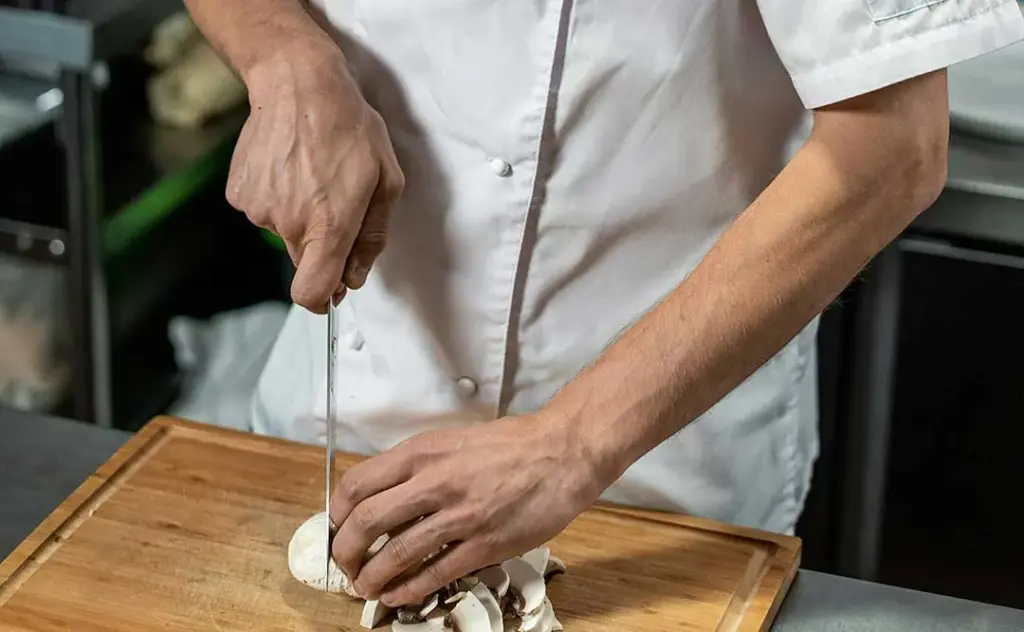
There is a moment in every cook’s journey when something shifts. The recipe is still open on the counter, but you stop looking at it. You start listening instead, watching the butter brown, smelling the garlic before it tips from golden into bitter. That shift, from following instructions to reading the kitchen itself, is what separates a competent cook from an instinctive one. And the good news is that it is not a talent you are born with. It is a language you learn, one ingredient at a time.
Cooking by instinct does not mean abandoning recipes entirely. It means understanding why a recipe asks you to do something, so that when the onions are browning faster than expected, or the sauce smells a little sharp, you know what to do. Every ingredient communicates through sight, smell, sound, and texture. Once you start paying attention, the signals become impossible to ignore.
Most home cooks treat the hob as an on/off switch. High heat for speed, low heat for safety. But experienced cooks treat heat as a dialogue, adjusting constantly in response to what the pan is telling them. If oil shimmers and moves fluidly when you tilt the pan, it is ready. If it smokes heavily, you have gone too far and the flavour of whatever you add will suffer.
The sound of food hitting a pan is one of the most reliable signals available. A confident, steady sizzle means the surface temperature is right for browning. A dull, wet splutter means the pan is too cool and your ingredient will steam rather than sear. A sharp, aggressive crack means the heat is excessive and you need to act quickly, either by lowering the flame or moving the food. Learn to listen for the difference and your proteins will thank you.
Onions are one of the most communicative ingredients in the kitchen. Raw, they are sharp and pungent. As they cook, the sulphur compounds break down and the natural sugars begin to caramelise. The smell shifts from harsh to sweet. That sweetness is your cue that the onions are becoming something useful, something that will add depth rather than aggression to a dish.
Colour is equally telling. Translucent onions are softened but not yet flavoured. Golden onions carry a gentle sweetness. Deep amber onions have concentrated flavour and a richer character. Burnt onions have crossed a point of no return. Each stage takes time, and rushing it with high heat simply burns the outside while leaving the inside raw and harsh. Patience here is not a virtue; it is a technique.
Good instinctive cooking begins before anything touches the heat. Raw meat and fish communicate their quality and readiness through texture, colour, and smell. Fresh fish should smell of the sea, clean and faintly briny, not sharp or ammonia-like. Beef that is ageing well will have a deep, iron-rich scent. Any ingredient that smells off should be treated with scepticism, regardless of what the use-by date says.
Texture matters enormously when cooking proteins. A piece of chicken breast that yields softly under your finger but springs back slowly is raw. One that springs back quickly has some tension, meaning it is beginning to cook through. A steak that feels firm throughout is well done. These cues take practice to calibrate, but once they are in your hands, they are there permanently. No thermometer required, though there is absolutely no shame in using one while you build that knowledge.
Baking has a reputation for demanding precision, and while ratios do matter, instinct plays a larger role than most beginners realise. Dough and pastry communicate through texture in a way that no recipe can fully capture. Bread dough that is properly developed feels smooth, elastic, and slightly tacky without sticking to your hands. Pastry that has been overworked feels tough and resistant. Scone dough that has been handled too much will bake into something closer to a rubber hockey puck.
Humidity, flour brand, egg size, and even the temperature of your hands all affect how dough behaves. This is why recipes will say things like “add water gradually until the dough comes together,” rather than giving a fixed amount. The dough is telling you what it needs. Your job is to add liquid incrementally and observe how the texture responds, stopping when it feels right rather than when a number is reached.
Of all the senses involved in cooking, smell is perhaps the most honest. It rarely deceives. Garlic that is about to burn has a particular sharpness that is distinct from garlic that is perfectly golden. Caramel approaching the point of bitterness takes on a slightly acrid edge. A sauce that needs acid smells flat and heavy. A sauce that has too much acid smells thin and sharp. These cues become automatic with repetition.
Many experienced cooks will step away from the stove and then come back, using that brief reset to smell the kitchen with fresh senses. When you are standing over a pot for an extended period, your nose adapts and stops registering the smell as intensely. Walking away for thirty seconds and returning can tell you immediately whether something is developing beautifully or beginning to go wrong. It is a small trick, but a genuinely useful one.
Instinctive cooks taste constantly. Not because they are greedy, but because a dish changes character at every stage of cooking. A sauce that tastes thin and slightly sour early in the cooking process may be perfectly balanced after reducing for twenty minutes. Conversely, a dish that seems well-seasoned when warm can taste under-seasoned when served cold, because cold temperatures dull our perception of salt and fat.
Tasting also teaches you to identify what a dish is missing. Flatness usually means it needs salt or acid. One-dimensional richness usually means it needs contrast, something sharp, something bitter, or something fresh. Saltiness without depth usually means it needs fat or sweetness to round it out. These realisations only come from tasting with intention, asking yourself what you are actually experiencing rather than simply checking whether it is nice.
Instinct in the kitchen is not mystical. It is accumulated experience, processed quickly. Every time you stand over a pan and pay attention to what is happening, you are filing away information that will surface automatically next time. The cook who has made a béchamel fifty times does not think about the ratio of butter to flour. Their hands know. Their eyes know. The smell of the flour cooking out is enough to tell them when to add the milk.
The most effective way to build this kind of knowledge is to cook with curiosity rather than anxiety. When something goes wrong, study it rather than discarding it immediately. Why did the custard split? Why did the bread not rise? Why did the curry taste muddy? These failures contain enormous amounts of useful information. The cook who investigates them learns far faster than one who simply starts over without reflection.
Every ingredient has something to offer the cook who pays attention. The sound of a sizzle, the colour of a crust, the smell of something just beginning to catch, the texture of dough that finally feels right: these are not abstract concepts reserved for professional chefs. They are available in every kitchen, every evening, to anyone willing to put the recipe aside occasionally and simply look, smell, listen, and taste. That is where cooking becomes something more than following instructions. That is where it becomes yours.
Chef Ian McAndrew’s specialist eBooks and guides are available directly on ChefYesChef, including his technical titles and autobiography. If you want more practical, chef-led reading beyond this article, you’ll find the full collection here.
Chef Ian McAndrew works with chefs, businesses, and individuals on a wide range of culinary projects, from concept development to practical problem-solving.
If you’d like to talk through an idea or need informed guidance, you’re welcome to contact him.
Essential cookies required for the site to function. Cannot be disabled.
Cookies that help us understand how visitors use the site.
Cookies used to deliver relevant advertisements.
Privacy Policy Terms of Service