
Chefs Studio Journal
Building Supplier Loyalty: Why Long-Term Partnerships Outperform Price-Shopping.
TL;DR: A trusted supplier brings consistency, flexibility and honest communication that a slightly cheaper weekly quote cannot guarantee. Long-term partnerships reduce hidden disruption and ultimately improve the food reaching the pass.
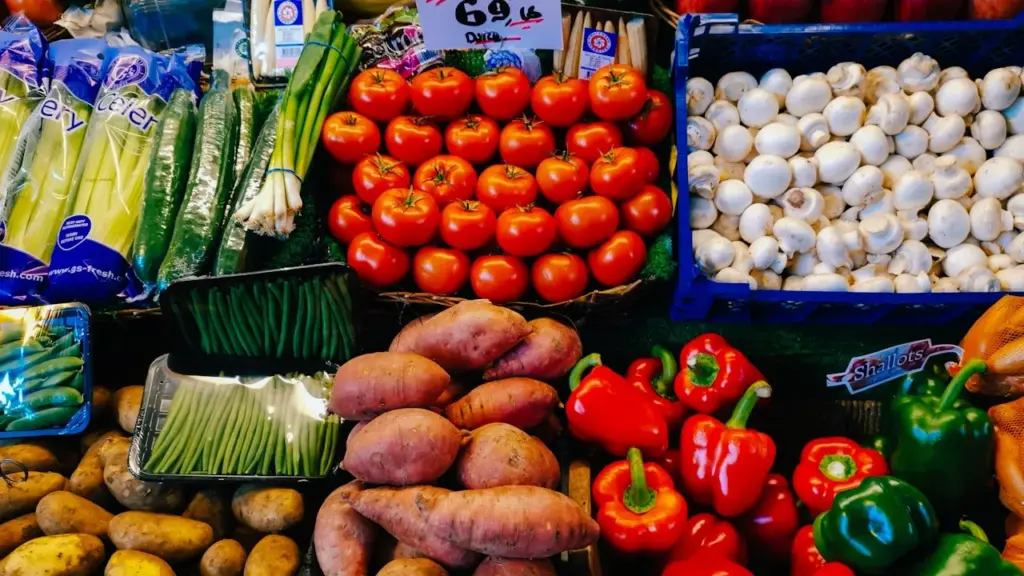
Long-term supplier partnerships consistently outperform price-shopping because the value a trusted supplier brings in consistency, flexibility, and genuine goodwill is worth far more than the few pence you might save by switching to whoever is cheapest this week.
I once worked with a head chef who changed his fish supplier every six weeks. Always chasing a better price. Always convinced he was being clever. What he actually got was unreliable deliveries, three consecutive Saturday nights with the wrong cuts, and a kitchen brigade that had lost all confidence in what was coming through the back door. The saving he made on paper was real. The chaos it caused was more so.
That experience stuck with me. Because in restaurant operations, what you can set your watch to matters enormously. And that kind of reliability does not come from whoever wins a price auction on a Tuesday morning. It comes from relationships built carefully, over time, with people who actually understand what you need.
What Supplier Relationship Management Actually Means
Supplier relationship management is simply the practice of treating your suppliers as partners rather than vending machines. It means communicating regularly, paying on time (yes, I know, revolutionary), giving feedback that is useful rather than just complaining, and investing enough trust in each other that things can go wrong without the whole arrangement collapsing.
In a professional kitchen, this shows up in ways that are almost embarrassingly practical. Your vegetable supplier knows you need your delivery by seven in the morning because service starts at noon. Your butcher knows you prefer your bavette cut thick and that you would rather have one good piece than two mediocre ones. These are not things you can brief a new supplier on in a fortnight. They take months, sometimes years, to establish properly.
The same principle applies in a home kitchen, albeit at a smaller scale. Your local butcher knowing you prefer a dry-aged rib rather than something wet-packed from a chiller is not a trivial thing. That knowledge has value. You cannot replicate it by scrolling through a discount website.
The Hidden Costs of Price-Shopping
Price-shopping feels virtuous. You are being prudent. Watching the margins. Running a tight operation. And sometimes, genuinely, finding a better price is the right thing to do. I am not suggesting you should pay over the odds out of some misplaced sense of loyalty.
But the costs that do not show up on an invoice are the ones that will quietly ruin you. Inconsistent produce quality means inconsistent dishes, and inconsistent dishes mean customers who do not come back. A supplier who does not know you will not go the extra mile when you are desperate, and you will be desperate at some point. Every kitchen is, eventually.
There is also the sheer time cost. Onboarding a new supplier properly, briefing them, tasting their products, correcting early mistakes – none of that is free. Someone in your kitchen or business is spending hours on administration that a long-standing supplier would have made unnecessary. That time has a value, even if you are not invoiced for it.
What Vendor Loyalty Actually Buys You
Vendor loyalty is not a sentimental gesture. It is a genuinely strategic position, and the benefits are tangible enough that you can feel them in the texture of your service.
- Priority allocation. When a supplier is short on something good, the first call goes to their most loyal customers. I have had suppliers hold back the best of a haul of wild sea bass for me because they knew I would appreciate it and pay fairly for it. That does not happen to someone who left them last March for a cheaper quote.
- Honest communication. A supplier who trusts you will tell you when something is not right before it becomes your problem. They will call ahead to say the asparagus is not up to scratch this week, rather than sending it and hoping you do not notice. That kind of candour is priceless in a kitchen.
- Flexibility in a crisis. Saturday afternoon, you are two kilos short of lamb, your usual delivery was delayed, and service starts in four hours. A supplier who knows you and likes you will find a way. One you called for the first time last week will not.
- Seasonal intelligence. Good suppliers know what is coming before it arrives. They will tip you off that the first forced rhubarb is looking exceptional this year, or that the courgette harvest has been battered by rain and you might want to plan around it. That is knowledge you simply cannot buy from a catalogue.
How to Build the Sort of Partnership That Lasts
None of this happens by accident, and none of it happens quickly. But it is also not complicated. It just requires the kind of basic decency that should come naturally to anyone running a kitchen with any self-respect.
- Pay on time. Every time. Without exception. Small suppliers, farmers, and growers are often running on thin margins themselves. Late payment is not a clever cash flow strategy. It is a way to signal that you do not respect the relationship.
- Give proper feedback. Not just complaints when things go wrong, but genuine appreciation when things go right. Tell your cheese supplier that the Montgomery Cheddar was extraordinary last week. They will remember it, and so will you.
- Visit them occasionally. I do not mean turn it into a grand tour, but actually going to see a farm, a smokehouse, or a market stall changes the dynamic entirely. You stop being an account number and become a person. That matters.
- Be honest about what you need. If you are planning a new menu and your volumes are going to change, tell them in advance. Give them the chance to plan. Treating a supplier like a partner means including them in your thinking, not just your orders.
- Introduce them to others. If you know a supplier is excellent, say so. Refer them to other kitchens you respect. The goodwill that generates is genuine, and genuine goodwill tends to come back around in useful ways.
The Difference It Makes to the Food
Here is the part that gets overlooked in most conversations about supplier relationship management, because most of those conversations happen in boardrooms and not in kitchens. The quality of the relationship with your supplier shows up directly in the quality of what ends up on the plate.
When your butcher knows you care, they care back. When your fishmonger knows you will actually use the whole fish and not just cherry-pick the fillets, they start saving you things you did not even think to ask for. The cod’s cheeks. The crab claws from yesterday’s delivery. The first asparagus of the season, still warm from the morning.
A kitchen that has solid, trusting relationships with its suppliers cooks differently. There is a confidence to it. A groundedness. The brigade knows what to expect, and that expectation, met reliably, day after day, is what allows a kitchen to do proper work rather than firefighting.
Frequently Asked Questions
How many suppliers should a restaurant work with?
There is no single right answer, but fewer, stronger relationships tend to outperform a sprawling list of vendors. Most kitchens function well with a core group of four to eight key suppliers covering meat, fish, vegetables, dairy, dry goods, and perhaps one or two specialists. The goal is depth of relationship rather than breadth of options.
Is it ever right to switch suppliers?
Of course. If quality has genuinely declined, if communication has broken down, or if a supplier is simply unable to meet your needs, then finding a better fit is entirely sensible. The difference is switching thoughtfully, after honest conversation, rather than switching every time someone quotes you a slightly lower price.
Does supplier relationship management only matter for large restaurants?
Not remotely. A chef running a ten-cover supper club benefits from a trusted relationship with a local butcher just as much as a brigade in a large hotel kitchen does. The scale changes; the principle does not. Trust and consistency are valuable regardless of the volume of your orders.
How do you build trust with a new supplier from scratch?
Start small, pay promptly, communicate clearly, and be patient. Relationships do not materialise overnight, and trying to fast-track them usually backfires. Give a new supplier a manageable brief, give honest feedback early, and let the trust develop at its own pace. It generally does, if you treat people with a bit of basic respect.
The kitchen I am proudest of in my career was not the flashiest or the most decorated. It was one where the back door opened every morning to the same faces, bringing things they had chosen carefully because they knew us and we knew them. That is not nostalgia. That is just how good food gets made, quietly, consistently, by people who have decided to trust each other over the long run.