Social Media & Chef Reputation: Hired Before a CV



There comes a moment, in every serious cook’s life, when the kitchen stops being entirely yours. Learning to find genuine satisfaction in that moment is one of the hardest and most important things you will ever do as a chef.
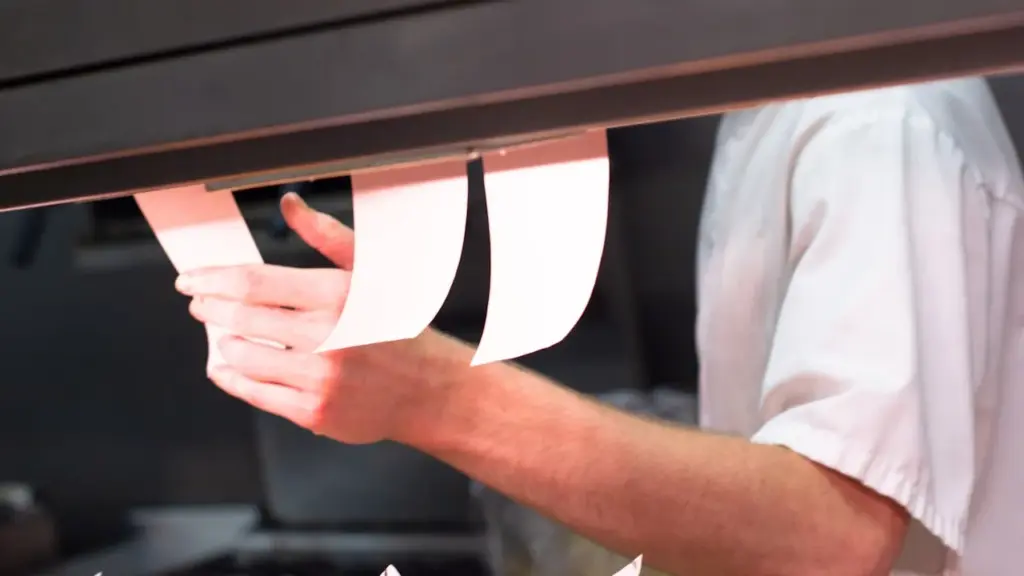
I remember the first time I stood at the pass and watched someone else cook my dish. Not my recipe with their interpretation, not a rough approximation. My dish. The one I had spent the better part of a decade refining. The young chef plating it was talented, focused, and doing everything right. I still had to resist the urge to nudge him out of the way and do it myself. Old habits are stubborn things, especially when they have calluses on them.
But that is the trajectory of a cooking life. You start at the bottom, scrubbing, peeling, watching. You earn the stove. You own the stove. And then, if you build something worthwhile, you move away from it. The brigade takes over. Your cooking lives in them now, and that is either terrifying or deeply satisfying, depending entirely on how you have prepared for it.
A brigade, for those unfamiliar with the term, is the structured team that runs a professional kitchen. The concept comes from Auguste Escoffier, who modelled kitchen hierarchy on military organisation: each person has a role, a station, and a responsibility. The brigade is not just your staff. It is the vessel your cooking travels in once you step back from the stove.
When your cooking truly lives in the brigade, it means your standards, your instincts, and your obsessions with proper seasoning and not boiling spinach into a grey catastrophe have been transferred. Not copied. Transferred. There is a difference. A copy is mechanical. A transfer is understood.
This is what good teaching looks like in a kitchen. Not demonstration alone, but the slow, deliberate work of making sure someone else cares about the same details you do and understands why those details matter.
Cooks are, by nature, control obsessives. We have to be. The margin between a perfect sauce and a broken one is measured in seconds and temperature. We are trained, sometimes brutally, to pay attention to everything at once. Delegating does not come naturally to people who have spent years believing that if they look away for thirty seconds, something will go wrong.
And sometimes it does. That is the honest truth of it. The first time you hand over full responsibility for a dish you love, something will not be quite right. The seasoning will be slightly timid. The plate will be a fraction off. A garnish will be arranged with the confidence of someone who has not yet earned the confidence. You will notice every single imperfection because you have been trained to notice them.
The temptation is to interpret this as failure. It is not. It is the beginning of a process, and processes take time.
The satisfaction does not disappear when you step back from the stove. It changes shape. Here is how to find it honestly, without pretending the transition is seamless or painless.
There is a grief to it, and pretending otherwise is dishonest. The physical act of cooking is deeply satisfying in a way that very little else is. The heat of a pan, the smell of garlic hitting fat at the right moment, and the weight of a good knife through something fresh and properly firm. These are sensory pleasures that do not have clean administrative substitutes.
Many chefs deal with this by cooking at home. Some find it therapeutic; some find it frustrating (the domestic equipment after a professional kitchen can feel absurdly inadequate). Others carve out moments in service, a dish here, a section covered there, just to stay physically connected to the craft. There is no shame in any of this. You are allowed to miss it.
What you cannot afford to do is let that grief drive you back onto the line in a way that undermines your team. If you are at the stove because you cannot trust your cooks, that is a training problem. If you are at the stove because you cannot let go, that is a personal problem. Both are solvable, but they require different remedies.
You will know the transition is working when one of your cooks corrects something without being asked and gets it exactly right. Not your version of right. The right version of right, which happens to also be yours, because you have done the slow work of transferring not just technique but judgement.
I had a sous chef, years ago, who started finishing my sauces slightly differently from how I had taught him. Not worse. Just slightly different, and in one particular case, genuinely better. I did not tell him that immediately (I am British; we do not do that sort of thing without at least a fortnight’s consideration), but I changed my method. That is when you know the cooking is truly alive in someone else. When they improve it.
Through systems, standards, and tasting. You set clear benchmarks for every dish, you taste regularly, you correct early and specifically, and you build a culture where the team holds each other to the same standard you hold yourself. Quality is not a personality trait. It is a set of habits, and habits can be taught.
Completely normal, and anyone who tells you otherwise has either not properly stepped back yet or is not being straight with you. Cooking is a physical, sensory, deeply personal craft. Losing daily contact with it is a genuine adjustment. The grief is real. It also passes, and what replaces it, watching your brigade cook your food with pride and precision, is something else entirely.
With some difficulty, if you are honest. The practical answer is to give yourself a clear role at service: the pass, the floor, and the next day’s menus. Keep yourself busy with something purposeful so you are not hovering. And remind yourself that constant intervention is not a sign of standards. It is a sign of distrust, and distrust demoralises good cooks faster than almost anything else.
Yes. Not immediately, and not without proper investment in training and culture. But yes. Some of the most consistent, technically excellent kitchens in Britain are run by brigades where the founding chef appears relatively rarely. The food holds because the standards were built into the team, not just embodied in one person. That is the work. That is also the point.
The cooking never really leaves you. It just starts living somewhere else, in the hands of people you have trained, in kitchens that carry your habits and your standards and, if you have done the work properly, a little of your particular obsession with not boiling things to death. That is a legacy worth more than a Michelin star on your own chest. Marginally. (I said marginally.)
Chef Ian McAndrew’s specialist eBooks and guides are available directly on ChefYesChef, including his technical titles and autobiography. If you want more practical, chef-led reading beyond this article, you’ll find the full collection here.
Chef Ian McAndrew works with chefs, businesses, and individuals on a wide range of culinary projects, from concept development to practical problem-solving.
If you’d like to talk through an idea or need informed guidance, you’re welcome to contact him.
Essential cookies required for the site to function. Cannot be disabled.
Cookies that help us understand how visitors use the site.
Cookies used to deliver relevant advertisements.
Privacy Policy Terms of Service