
Are we done with old school service ?

TL;DR: The best parts of old-school service—professionalism, product knowledge, mentorship, pride and attention to detail—are not obsolete. Modern hospitality should reject intimidation and empty hierarchy while reclaiming the craft that made guests feel genuinely looked after.
One of the biggest conversations I keep seeing in hospitality today is the idea that old-school service is somehow outdated or no longer relevant.
I have to say very clearly I completely disagree with that thinking.
What many people describe as old school is actually the very foundation that built the hospitality industry into what it became. It was built on professionalism, discipline, product knowledge, pride in service, strong leadership in the dining room, and attention to the smallest details that made guests feel truly looked after.
Those principles are not outdated. In fact, they are exactly what many operations are missing today.
One of the real challenges we face now is that many restaurants and hotels are being led by people who have not had the opportunity to come through the profession properly. Titles are given very quickly. Someone May suddenly become a restaurant manager, yet they have not spent enough time learning the craft of service, understanding the flow of a dining room, or developing the confidence to truly lead a team.
This is not a criticism of young managers. Many of them are hard-working and eager to do well. The real problem is that they are often placed into positions without the mentorship, guidance, and practical training that allows them to succeed.
Years ago, the dining room had strong leadership at the front. The maître d’ was a true professional. They controlled the room, understood service in depth, guided the staff, handled guests with confidence, and ensured that standards were maintained every single day.
Today that role is disappearing.
Instead, we often see young managers with the title but without the experience to support it. When this happens, the pressure on them becomes enormous. Standards begin to slip, staff lose direction, frustration grows within the team, and eventually people start leaving. High staff turnover then becomes a constant problem for the operation.
This is something I have seen many times when visiting restaurants and hotels.
On several occasions I have stepped into operations and worked alongside restaurant managers who simply needed support and guidance. Once they are shown the structure of a well-run dining room, how to organise the floor, how to lead a team, how to engage with guests, and how to develop confidence in service, the results can be remarkable.
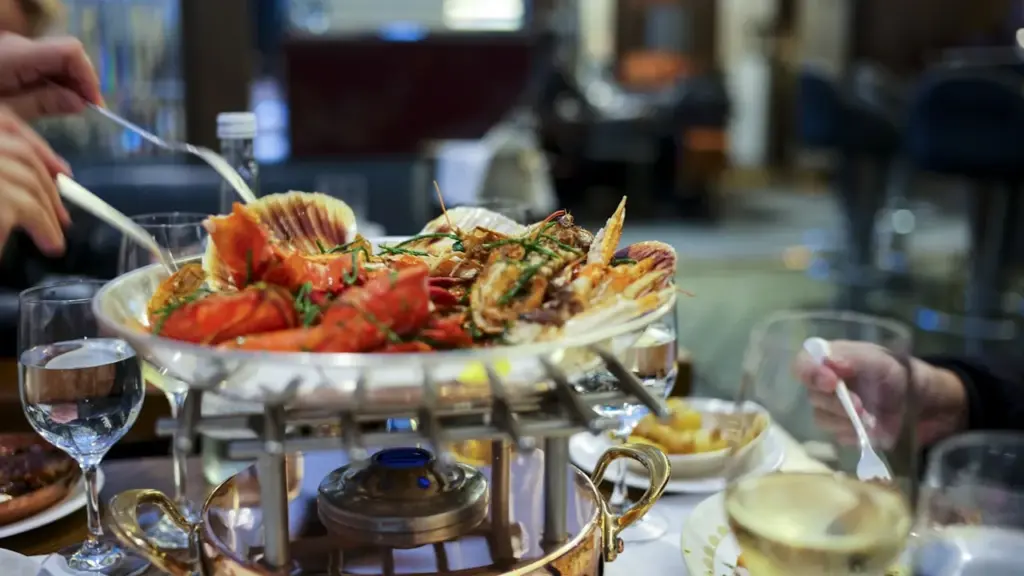
And that is why I have offered many times on LinkedIn to come into an operation for two or three weeks to mentor a restaurant manager and their team.
This is not about replacing people. It is about supporting them.
A short period of guidance from someone who has lived the profession can make an enormous difference to a young manager who is trying to find their feet. It can strengthen the team, raise standards, improve staff confidence, and ultimately improve the guest experience.
After four decades in hospitality working in restaurants, hotels, and cruise lines, I have experienced the industry at many different levels. I have seen what works, what fails, and what truly builds a strong service culture.
Those experiences should not simply disappear.
They should be passed on to the next generation.
The hospitality industry moves forward not by dismissing its foundations, but by building on them. We absolutely need new ideas, modern thinking, and fresh energy. But we also need the knowledge, techniques, and professionalism that shaped great service in the first place.
Right now, many of those skills are quietly disappearing from our industry.
- Table-side service.
- Flambé and guéridon work.
- Professional guest interaction.
- Product knowledge.
- Confident leadership in the dining room.
These are not small details. They are the very elements that once made dining out a memorable experience.
If we truly want hospitality to thrive again, we need to stop dismissing experience and start using it to guide the future of our industry.
Trevor Walford