

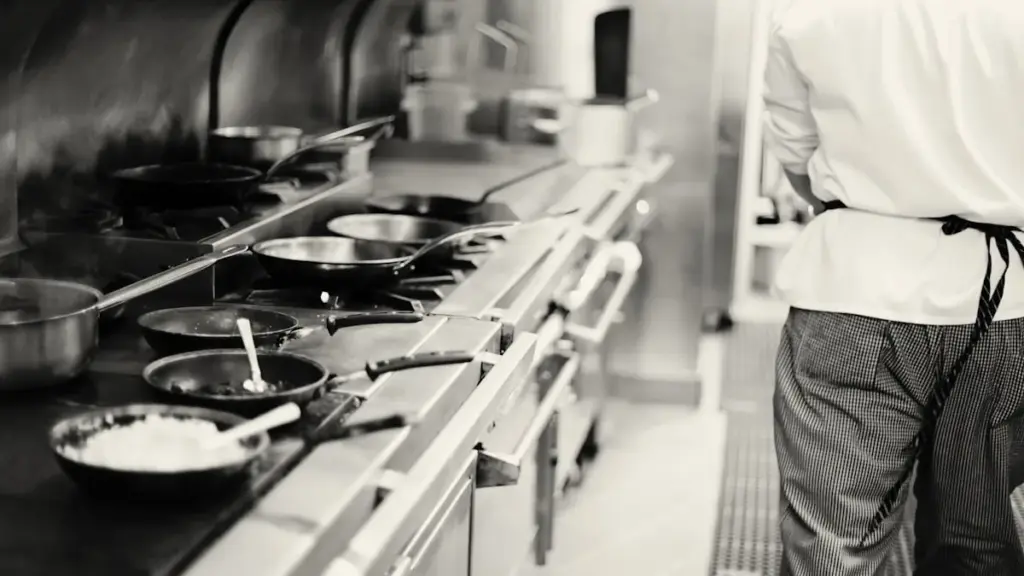
A few years back, a chef I’d worked with for nearly a decade handed in his notice on a Tuesday. No drama, no shouting, just a folded piece of paper left on my desk between services. He was thirty-four, exceptionally skilled, and utterly spent. He went on to manage a garden centre. I’m not joking. And the thing is, I understood completely.
We are losing people in their prime. Not the wide-eyed twenty-two-year-olds who burn out after six months and go travelling. I mean the ones who have done the time, learned the craft, and ought to be hitting their stride. The thirty-somethings who can break down a whole beast, run a pass under pressure, and still find something elegant in a piece of properly aged cheese. They are leaving, and the industry is acting mildly surprised, which is itself rather astonishing.
Here is the thing nobody really says out loud. By the time most chefs reach their mid-thirties, the physical accumulation of professional cooking has quietly stacked up on them. Knees that ache by Thursday. A lower back that lodges formal complaints during the pastry section. Hands that look twenty years older than they are. These are not complaints, exactly. They are just facts, worn in alongside the knife skills and the stock-making instincts.
But the body is only part of it. The real fracture tends to happen when the mental arithmetic stops adding up. Long hours, fractured sleep, missing birthdays and Christmases and first steps and school plays – all of it tolerable when you are twenty-six and fuelled by ambition and the slightly unhinged joy of a perfectly executed service. Considerably less tolerable when you have a mortgage, a partner who’d like to occasionally see you before eleven at night, and a creeping sense that nobody at the top of your organisation could pick you out of a line-up.
We should probably address wages, because pretending the problem is purely cultural would be dishonest. An experienced chef in their thirties, someone who has earned their position, is routinely paid less than someone two years into an office job requiring no particular skill or passion. I am not being dramatic. Look at the numbers. The industry has long relied on the idea that cooking is a vocation, almost a calling, and that calling should presumably absorb the financial shortfall. It cannot, indefinitely.
The real problem is that higher wages require higher menu prices, which require customers willing to pay them, which require a broader cultural understanding that good food, prepared properly by skilled people, costs what it costs. That is a longer conversation. But in the short term, operators who wonder why their best mid-career chefs keep disappearing might start by looking at the wage slip.
Fourteen-hour days are not a badge of honour. I know, because I have worn that badge, and all it really signifies is that the operation is poorly organised or deliberately exploitative, and occasionally both. The romanticisation of the brutal kitchen, the shouting, the sleep deprivation, and the army-style endurance has done enormous damage. It drove away talented people for decades and dressed that damage up as grit.
The chefs I respect most now are the ones running tight, well-structured kitchens where the rota is humane and the prep is planned properly. Where service ends at a reasonable hour because the mise en place was done correctly, not because someone stayed until midnight cutting shallots out of sheer organisational chaos. Thirty-something chefs want this. They have earned the right to want it.
This is where I try not to sound like a management consultant, because I am not one and would eat my own toque before becoming one. But there are some things that seem, based on watching people leave and occasionally watching them choose to stay, to genuinely matter.
The response from much of the industry to the attrition of experienced cooks has been, broadly, to hire younger, pay less, and complain about a skills shortage. This is roughly equivalent to wondering why your garden is dying while refusing to water it. The logic does not quite land.
There are restaurants and operators doing this properly. I have eaten in them. You can feel it in the food and in the calm, purposeful energy of a kitchen where people are not counting down to their escape. The food is better when the cook is not miserable. This is not a philosophical position. It is a practical one, and the plates prove it.
When a chef in their thirties leaves the industry, they take with them something that cannot be replaced by a keen twenty-two-year-old, however enthusiastic. They take the accumulated knowledge of what a properly rested piece of meat feels like under the hand. The instinct for when a sauce needs more time and when it needs to be left alone. The ability to hold a kitchen together on a difficult Friday night using nothing but experience and a particular kind of quiet authority. These things take years to grow. We should be rather more careful about letting them walk out the door.
The chef who left for the garden centre sends me a card every Christmas. He says he sleeps well now. He has learned the names of quite a lot of plants. He does not miss the hours. He does, occasionally, miss the cooking. That gap, between missing the craft and not missing the conditions, is exactly where the industry needs to do its work.
Chef Ian McAndrew’s specialist eBooks and guides are available directly on ChefYesChef, including his technical titles and autobiography. If you want more practical, chef-led reading beyond this article, you’ll find the full collection here.
Chef Ian McAndrew works with chefs, businesses, and individuals on a wide range of culinary projects, from concept development to practical problem-solving.
If you’d like to talk through an idea or need informed guidance, you’re welcome to contact him.
Essential cookies required for the site to function. Cannot be disabled.
Cookies that help us understand how visitors use the site.
Cookies used to deliver relevant advertisements.
Privacy Policy Terms of Service