
The Line on the Menu Isn’t the Story
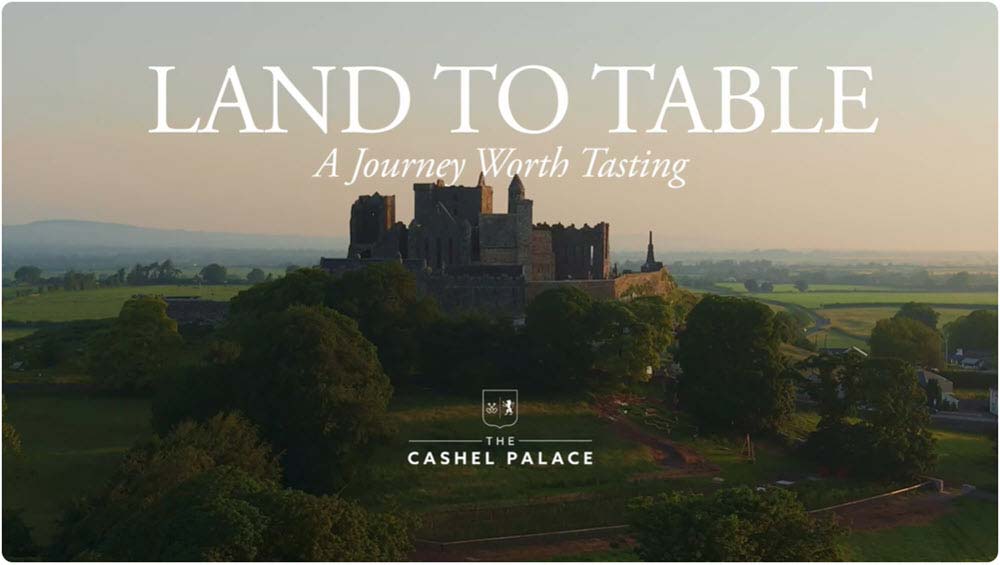
TL;DR: A single line of provenance on a menu tells guests almost nothing about the relationship behind it. Cashel Palace’s new documentary, Land to Table, shows what it looks like to tell that story properly, following the hotel’s Director of Culinary out to the farmers, cheesemakers and butchers who supply its kitchens, including its Michelin-starred restaurant. It’s followed by guided food tours so guests can meet those producers themselves. Few kitchens can fund a documentary, but the underlying idea, provenance as relationship rather than credential, scales down to something any kitchen can do.
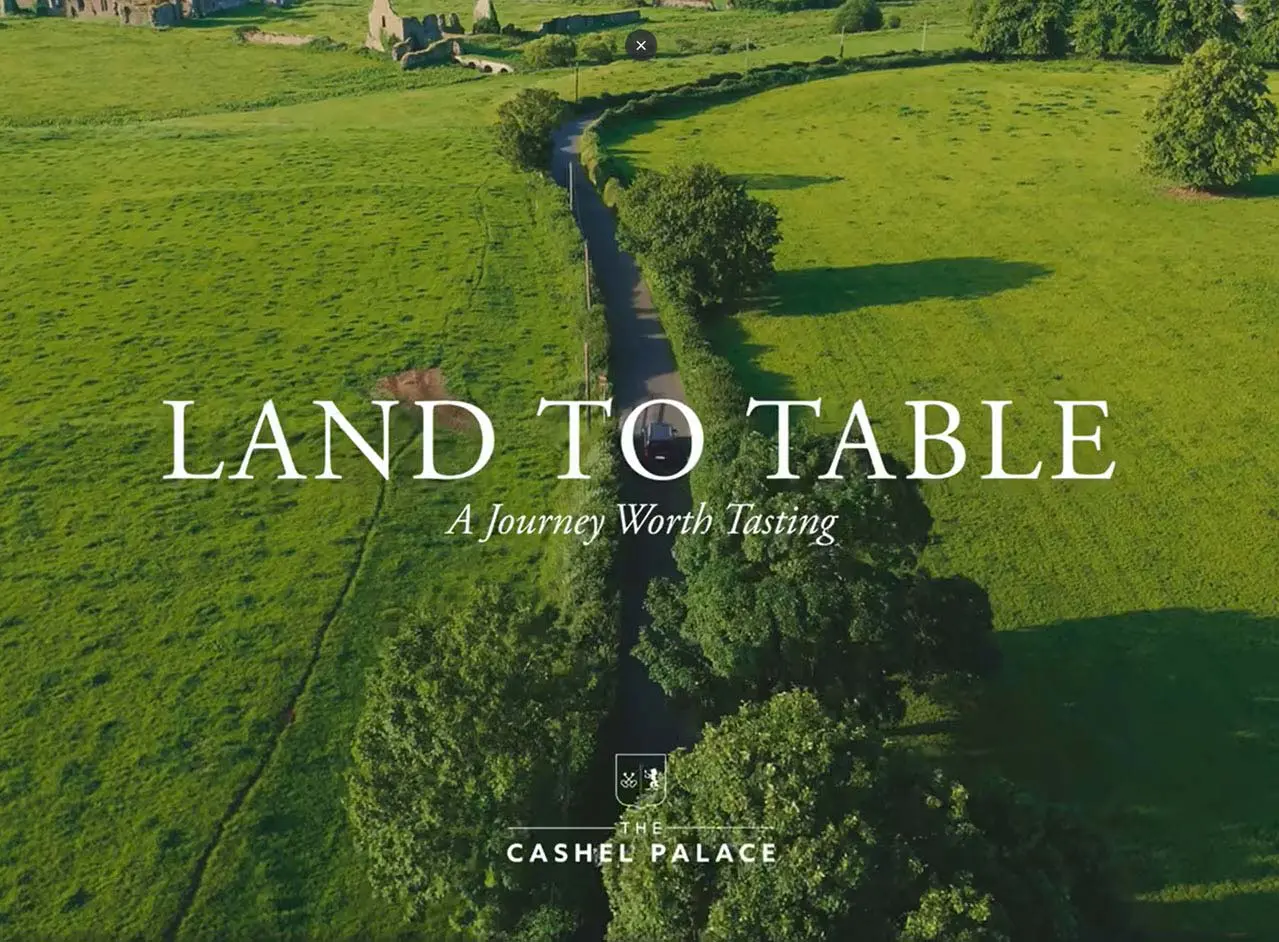
Most menus mention provenance in a single line. “Locally sourced.” “From our trusted suppliers.” A nod to a farm name, then straight back to the description of the dish. It’s a habit the industry has fallen into: provenance as a credential rather than a story, a box ticked to reassure the guest rather than an invitation to understand what they’re actually eating.
The trouble is, that single line does almost none of the work it’s meant to do. It doesn’t tell the guest why that producer, out of all the producers a kitchen could have chosen. It doesn’t tell them what changed hands over years of conversation before that relationship became reliable enough to build a menu around. It doesn’t tell them what happens when a harvest is poor or a herd is smaller than expected, and the kitchen has to adapt rather than simply substitute. All of that sits behind the line, and almost none of it reaches the guest.
That gap between the sourcing and the story is worth paying attention to, because closing it is one of the more effective things a kitchen can do for its own identity. Guests are increasingly sceptical of “local” as a marketing word rather than a lived practice. Showing the relationship, rather than stating it, is what turns scepticism into trust. It also does something for the kitchen internally: when a chef has to articulate why a producer matters, in front of a camera or in a piece of writing, it forces a level of clarity about sourcing decisions that a menu footnote never demands.
An Example Worth Watching
Cashel Palace, the Relais & Châteaux hotel in County Tipperary, has just put that principle into practice in a genuinely interesting way. Their new documentary, Land to Table: A Journey Worth Tasting, follows Stephen Hayes, the hotel’s Director of Culinary, out of the kitchen and into the Golden Vale, the farmland that surrounds Cashel and feeds it.
The film doesn’t stop at the finished plate. It spends its time on the land, the seasons, and the people: Aoife Nic Giolla Coda of Galtee Honey Farm, Sarah Furno of Irish Farmhouse Cheesemakers (the producers behind Cashel Blue), Con Traas of The Apple Farm, and Donald Walsh of Donald Walsh Butchers, whose shop sits a few doors from the hotel on Cashel’s Main Street. These are the names that would otherwise live and die on a menu footnote. Here, they’re the subject.
What makes this a smart piece of work rather than just a nicely shot promotional film is what comes after it. Cashel Palace has launched a guided food tours programme alongside the documentary, curated by the hotel’s Local Experiences Curator, giving guests the chance to actually meet the people they’ve just watched on screen. The film builds the story; the tours let guests step inside it. Watching a documentary about a cheesemaker is one thing. Standing in her dairy an hour later is another entirely, and it’s a natural, low-cost extension of content a hotel had already committed to making.
There’s also a Michelin anchor to the whole thing, The Bishop’s Buttery, which quietly does something useful for the story: it demonstrates that this level of sourcing transparency isn’t a rustic add-on; it’s foundational to serious cooking. The honey, the cheese, the fruit and the meat in the film aren’t garnishes for a casual menu; they’re the base of a Michelin-level kitchen’s identity.
What This Means for Other Kitchens
Few operations have the budget for a full documentary, and that’s not really the takeaway here. The takeaway is the underlying idea: provenance is told as a relationship, not as a credential. That can scale down a long way. A short video of a supplier visit. A written profile of the butcher a kitchen has used for a decade. A menu note that names the actual person behind an ingredient and says something true about why they were chosen. None of that requires a production budget. It requires deciding that the relationship is worth telling and then telling it properly.
Land to Table launches on Cashel Palace’s channels this evening. Whatever the numbers look like, the model behind it is worth studying: know your producers well enough to put them on screen and build something guests can step into once they’ve watched it.
The Bottom Line
A menu line is not a relationship. If a kitchen can’t say, in a sentence or two, why a specific producer was chosen and what that relationship has taught them, the sourcing story isn’t actually being told; it’s being asserted. Cashel Palace’s documentary is a large-scale version of a small, repeatable idea: show the people, not just the ingredient list. Any kitchen can start with one supplier, one short piece of writing or video, and one honest reason why that relationship matters.
FAQ
Do I need a documentary-sized budget to tell a provenance story properly? No. The principle, relationship over credential, works at any scale. A written profile, a short video from a supplier visit, or even a properly detailed menu note can do the same job on a fraction of the budget.
What’s the difference between “provenance as credential” and “provenance as relationship”? “Locally sourced” is a label: “locally sourced”, a farm name in small type. Relationship explains the why: how the producer was chosen, what’s changed over the years working together, and how the kitchen adapts when a harvest or a herd doesn’t go to plan.
Why pair a documentary with a tours programme, as Cashel Palace has done? Because watching a story and stepping inside it are different experiences. The film builds interest and trust; the tours convert that into something guests can act on, meeting the same producers in person.
Where can kitchens start if they want to try this themselves? With one supplier. Pick the relationship that means the most, write or film something honest about why it exists, and resist the urge to make it promotional. The specificity is what makes it work.
Provenance Storytelling: What Cashel Palace Gets Right
A single menu line rarely tells the real sourcing story. Here’s what Cashel Palace’s new documentary gets right about provenance and how any kitchen can apply it. Watch it here