

Every chef has that one “nice little extra” that came back to haunt them.
You know the sort of thing.
A harmless garnish.
“A quick little touch.”
“Only takes two minutes, chef.”
Two minutes, multiplied by 120 covers, twice a day, six days a week… and suddenly you’re questioning your life choices.
One of my finest examples of this happened at The Dorchester, in the days of big buffets, classic dishes and brigade numbers that you could actually do something with. It started with a lobster cocktail and ended with me storming out the back door for a fag, vowing never to carve another swan again.
Spoiler: I went back in and carried on carving, obviously.
At the time, Anton Mosimann had put a lobster cocktail on the menu. Proper old-school luxury. Good product, big price, smart presentation.
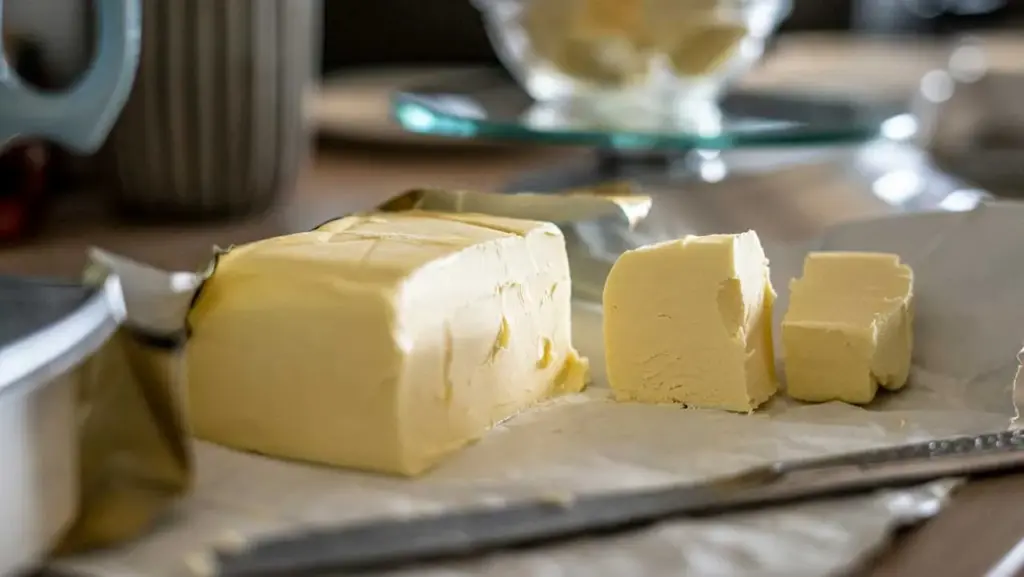
I’d been doing fat carving for buffets for a while – angels, eagles, all sorts of nonsense made out of pastry margarine and lamb fat. Don’t ask. So one day, in a fit of enthusiasm (or madness), I carved a little swan out of a block of margarine about the same size as a 250 g pack of butter.
Nothing grand. Just a neat, clean swan to sit on the platter and look pretty next to the lobster.
Mosimann walked past, clocked it, and liked it.
“Very nice. Put one on the serving platter with every lobster cocktail.”
That was it. No drama. No speech. Just a nod and a small instruction that changed my life for a bit.
We sold a lot of lobster cocktails.
It started off almost fun. I’d carve a few swans ahead of service, line them up, and job done. Then the numbers went up. And up.
The lobster cocktails were flying out. The swans went with them.
The real insult came later, when the platters came back off the buffets. My careful little carvings were coming back with chunks missing where guests had tried to butter their bread with them. Or hacked into them to see how they’d been made. Little beak missing here, wing sliced off there. Butchers, the lot of them.
So I was carving even more. Topping them up. Replacing the damaged ones. And when we really got busy, I was carving them to order late into the night, while everyone else cracked on with their actual jobs.
The garnish had become a section of its own.
If you’ve ever found yourself buried under:
…then you know exactly the flavour of this particular misery.
Eventually it got to be too much. I was young, tired and had had enough of feeding the swan machine.
One night I snapped. Words were had. Opinions were shared. I stormed out through the back door in classic chef fashion, full of righteous indignation and not quite sure what my Plan B was meant to be.
Out the back, I did what every chef of that era did in a crisis: lit a fag, stomped about a bit, swore under my breath and thought about my mortgage.
Then I did what every chef still does in the end: put the cigarette out, straightened my jacket, walked back in and carried on.
As I picked up the knife and started carving yet another swan, Mosimann looked over and, in that calm way of his, simply said:
“Well done, Ian.”
No gloating. No lecture. Just an acknowledgement that I’d had my little moment and had come back to get on with it.
He was right, of course. The guests loved the lobster, the platters looked impressive, and nobody cared how many hours of my life were buried in those ridiculous birds.
Looking back, that whole episode is a neat little case study in how kitchens really work:
Proper chefs will recognise that tension instantly. We all have a “margarine swan” somewhere in our past.
That swan was just one small scene in a much bigger picture.
Over fifty-odd years I went from school cookery (chosen purely to dodge metalwork) to big London hotels, country house kitchens, my own Michelin-starred restaurant and beyond. There were some wonderful dishes along the way, a few “what was I thinking” moments, and plenty of kitchen politics, near disasters and black humour in between.
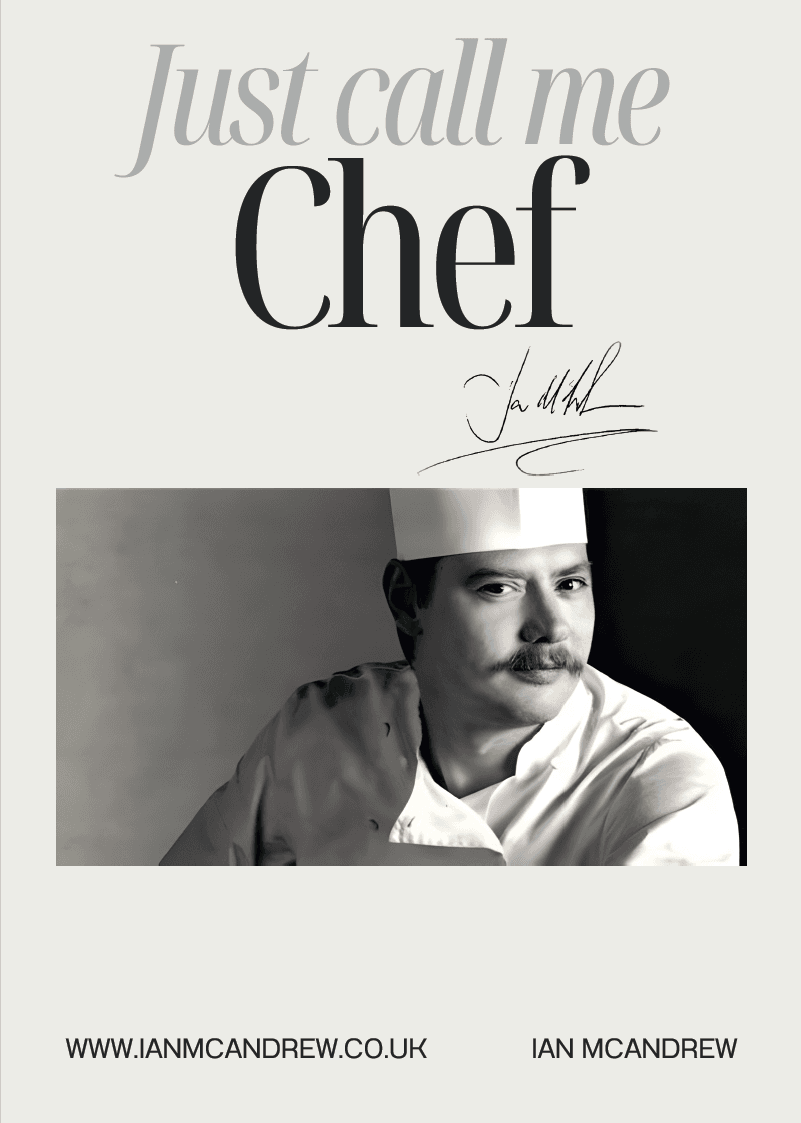
I wrote my autobiography, Just Call Me Chef, to get those stories out of my head and onto paper while I can still remember most of the names.
It’s not the polished, PR-friendly version of a chef’s life. It’s the real one: the long shifts, the daft arguments, the ridiculous garnishes that nearly break you, and the quiet satisfaction when it all comes together on the pass.
If you’ve ever:
…you’ll probably recognise more than a little of yourself in there.
You can find the book here if you fancy the rest of the story:
👉 Just Call Me Chef – my autobiography
https://chefyeschef.co.uk/item/ians-autobiography/
Chef Ian McAndrew’s specialist eBooks and guides are available directly on ChefYesChef, including his technical titles and autobiography. If you want more practical, chef-led reading beyond this article, you’ll find the full collection here.
Chef Ian McAndrew works with chefs, businesses, and individuals on a wide range of culinary projects, from concept development to practical problem-solving.
If you’d like to talk through an idea or need informed guidance, you’re welcome to contact him.
Essential cookies required for the site to function. Cannot be disabled.
Cookies that help us understand how visitors use the site.
Cookies used to deliver relevant advertisements.
Privacy Policy Terms of Service