

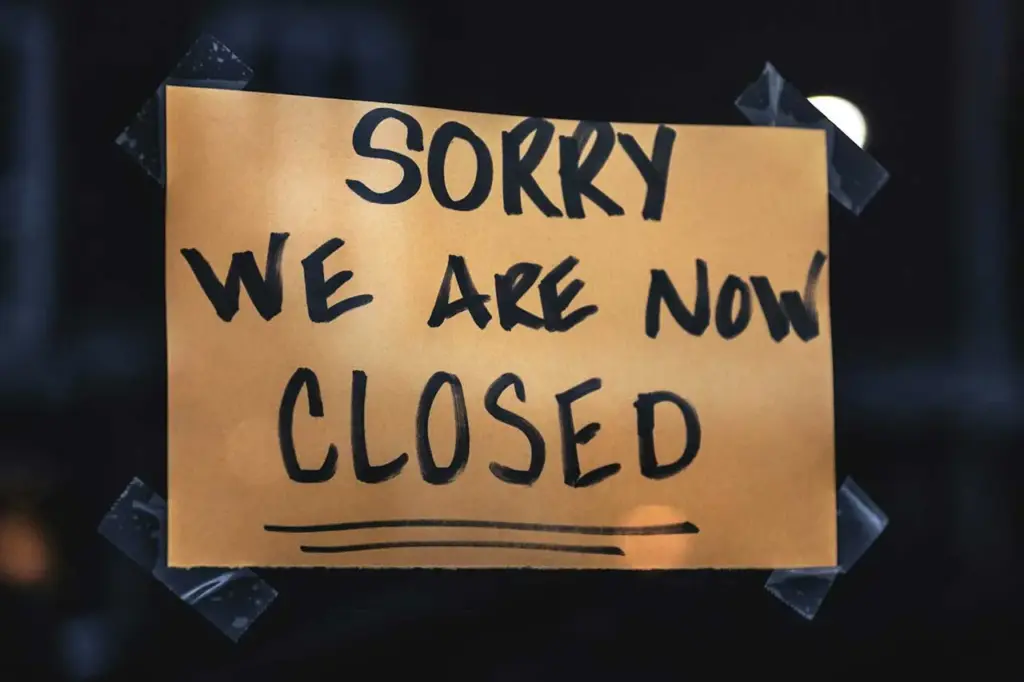
Walk past enough shuttered restaurants and darkened pub windows, and a pattern begins to emerge. British hospitality; an industry that employs over three million people and sits at the cultural heart of communities across the country, is fighting for its survival. The closures are not isolated incidents or bad luck. They are the predictable consequence of a perfect storm that has been building for years, and for many operators, the pressure is now simply unbearable.
According to data from UK Hospitality, the trade body representing the sector, thousands of venues closed their doors permanently in 2023 and 2024. Pubs, restaurants, cafés, and hotels that survived the pandemic; often by taking on significant debt; are now finding that the recovery they were promised never fully arrived. Footfall in many town centres remains below pre-pandemic levels, and consumer spending on eating and drinking out has contracted sharply as households tighten their own budgets.
The result is a sector where margins that were already wafer-thin have effectively disappeared for many businesses. A restaurant that once operated on a five to eight per cent net profit margin now finds itself breaking even on a good week, or quietly running at a loss, hoping that tomorrow will somehow be different.
Commercial energy costs remain one of the most crippling expenses facing hospitality businesses right now. Unlike domestic consumers, commercial operators do not benefit from the government’s energy price cap. Many locked into fixed-rate contracts during the period of peak volatility in 2022 and 2023 are still paying rates that bear no resemblance to current wholesale prices. A mid-sized restaurant kitchen can consume a staggering amount of electricity and gas, with ovens, extraction systems, refrigeration, and lighting running simultaneously for twelve hours a day.
Some operators have reported energy bills four or five times higher than they were in 2019. For a business turning over £500,000 a year, an additional £40,000 or £50,000 in energy costs does not simply squeeze the margin; it eliminates it entirely. The government’s business energy support schemes, while helpful in the short term, were never designed to address the structural imbalance that commercial operators now face.
April 2024 brought a significant increase to the National Living Wage, rising to £11.44 per hour for workers aged 21 and over. Nobody disputes that workers deserve fair pay; the hospitality industry itself depends on attracting and retaining good people. But the blunt reality is that labour costs now account for an even larger share of revenue for most businesses, at a time when every other cost line is also rising.
Chefs, front-of-house staff, and kitchen porters all represent a fixed and largely unavoidable cost. Unlike a retailer who can reduce staff hours in a quiet period without the customer noticing, a restaurant cannot serve a Friday evening service with half a kitchen team. Rotas remain full even when the covers do not. That structural inflexibility makes hospitality uniquely vulnerable to wage increases that are not matched by corresponding growth in revenue.
The talent shortage compounds the problem further. Brexit fundamentally altered the labour market for hospitality, removing a significant pool of skilled European workers who had been the backbone of many kitchens and service teams. Recruiting domestically is not only harder but also often more expensive, with businesses paying premium rates to attract and retain staff in a competitive market.
Food inflation may have begun to ease from its peak, but the cumulative effect of two years of sharp price increases has permanently altered the economics of hospitality purchasing. Ingredients that were priced at one level in 2021 now cost considerably more, and suppliers themselves are under pressure from their own rising costs. A restaurant that once charged £14 for a dish now needs to charge £17 or £18 to cover the same food cost, but raising menu prices in a cost-of-living crisis risks driving customers away entirely.
Operators are caught in an impossible position. Absorb the cost increases and haemorrhage money. Pass them on to customers and risk empty tables. Many have tried a middle path: reducing portion sizes discreetly, simplifying menus to cut waste, and switching suppliers, but these are sticking plasters, not solutions. The underlying arithmetic simply does not work the way it once did.
The business rates system continues to be a source of immense frustration across the hospitality sector. Calculated on the rateable value of a property rather than the revenue it generates, business rates can punish a struggling business just as severely as a thriving one. A pub in a market town with a substantial footprint may face a rates bill of £30,000 or £40,000 a year regardless of whether it has had a good trading year or a disastrous one.
The retail, hospitality, and leisure relief scheme has provided some mitigation recently, but it has been progressively reduced and remains subject to annual government decisions rather than being embedded as structural reform. The sector has long called for a fundamental overhaul of the system, one that taxes profitability rather than property, but meaningful change remains elusive. In the meantime, the rates clock keeps ticking.
It would be easy to view the closure of a local restaurant or a neighbourhood pub as a purely private business matter. But the consequences ripple outward in ways that are not immediately visible. Hospitality is a significant employer of young people, of those returning to work, and of those who might struggle to find employment in other sectors. When venues close, those jobs disappear, often with little warning and no redundancy entitlement for workers on short contracts.
There is also the social dimension to consider. A high street without a pub or a café is not merely less convenient; it is less alive. These spaces serve as genuine community anchors, particularly in smaller towns and rural areas where alternatives are limited. The loss of a long-established local business leaves a wound in the fabric of a community that no online service or supermarket meal deal can truly replace.
Some operators are adapting with genuine ingenuity. Private dining experiences, subscription models, pop-up events, and stronger social media presences are helping certain businesses carve out loyal audiences. Technology is being deployed to reduce labour costs at the margins: QR code ordering, automated reservations, and smarter kitchen management systems. These innovations matter, and they are making a real difference for some.
But no amount of operational creativity fully resolves a structural cost problem. What the sector needs, and what it has been asking for consistently, is a policy environment that recognises its economic and social value. That means meaningful business rates reform, targeted support during periods of economic stress, and a workforce strategy that addresses the labour shortages Brexit created. Without those foundations, even the most resourceful operators are building on sand.
British hospitality has shown remarkable resilience through everything that has been thrown at it over the past five years. The people who run these businesses, often working eighty-hour weeks for returns that barely justify it, deserve more than admiration. They deserve a fighting chance. Whether government and wider policy circles are prepared to give them one remains, for now, an open question.
Chef Ian McAndrew’s specialist eBooks and guides are available directly on ChefYesChef, including his technical titles and autobiography. If you want more practical, chef-led reading beyond this article, you’ll find the full collection here.
Chef Ian McAndrew works with chefs, businesses, and individuals on a wide range of culinary projects, from concept development to practical problem-solving.
If you’d like to talk through an idea or need informed guidance, you’re welcome to contact him.
Essential cookies required for the site to function. Cannot be disabled.
Cookies that help us understand how visitors use the site.
Cookies used to deliver relevant advertisements.
Privacy Policy Terms of Service