
Critical Eating: How Chefs Stay Sharp and Inspired
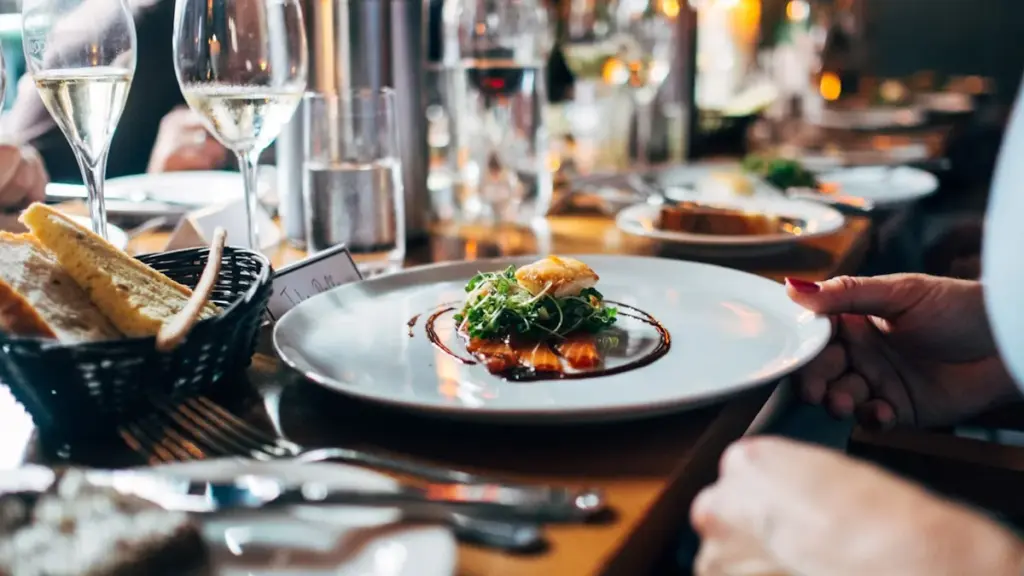
TL;DR: Critical eating means dining with active attention, not passive enjoyment. Great chefs use it to analyse technique, collect ideas, and understand what they are competing with. It is a professional discipline, not a perk.
The best chefs eat out constantly, and not just for pleasure. Critical eating is how they stay sharp, collect ideas, and understand what they are actually competing with.
There is a version of the chef who spends every off day resting, recharging, avoiding restaurants because they spend all their working hours in one. That version exists. It is also, in my experience, the version who gradually loses touch with what is happening in the wider food world and starts cooking for their own satisfaction rather than for the room. The two things are connected.
What Critical Eating Actually Means
Critical eating is not the same as eating critically in the colloquial sense of finding fault. It is a specific practice: eating with attention, with a notebook in your head, with genuine curiosity about how a dish was constructed and why certain decisions were made. It is the difference between tasting and analysing.
Most professional chefs have some version of this instinct. When they eat something they enjoy, they are already mentally pulling it apart. What fat was used? Is the acidity coming from vinegar or fermentation? Why does this texture work when the same texture in a different context would feel wrong? These questions are not a performance of professionalism. They are a genuine cognitive habit.
The useful distinction is between passive appreciation and active interrogation. You can admire a dish without learning anything from it. Critical eating requires you to stay uncomfortable enough to ask why it works, even when your mouth is perfectly happy to just carry on eating.
Chef Inspiration Comes From Outside the Kitchen
There is a widespread assumption that chef inspiration comes from cooking. From experimentation in the kitchen, from accidents, from the slow accumulation of technique. All of that is real. But the ideas that tend to shift a menu or reframe an approach usually arrive from the outside, from eating something that creates a small, nagging sense of possibility.
René Redzepi has spoken at length about how eating at restaurants in other countries and cultures fundamentally changed how he thought about ingredients and locality. Fergus Henderson’s offal-forward cooking at St. John did not emerge in isolation; it was partly a response to what Henderson noticed was disappearing from British tables, which is itself a form of critical observation about dining culture. You cannot develop that kind of perspective without eating widely and paying attention while you do it.
The chefs who stay interesting over long careers tend to be the ones who remain genuinely curious diners. Not tourists, not trend-chasers. Curious. There is a difference. Curiosity is slower and less impressed by novelty. It asks whether something is actually good rather than merely new.
Developing Culinary Ideas Through Structured Observation
Developing culinary ideas from eating out is a skill that can be trained, and it has a loose structure. It starts with eating without distraction, which is harder than it sounds in a social context. It continues with recording what you noticed, ideally the same day, before the impressions flatten out. And it ends with the question that most people skip: what would I do differently, and why?
That last question is where most of the creative work happens. It is not about improving on someone else’s dish. It is about understanding your own instincts through contrast. When you eat something you admire but would still change, you are learning something specific about your own palate and your own aesthetic. That is more useful than inspiration that arrives fully formed.
I once ate a lamb dish at a small restaurant in Lisbon that I thought was close to perfect. The fat rendering, the herb balance, the way it was barely sauced. I also thought the accompaniment was slightly too sweet, in a way that felt like a concession to a broader audience rather than a genuine choice. Writing that down afterwards taught me more about how I think about meat cookery than a week of service had done.
Why Relentlessness Matters
The word ‘relentless’ is not accidental. Eating out once a month with attention is useful. Eating out consistently, across different types of food, different price points, different cultural contexts, is something else. It builds a reference library that changes how you cook even when you are not consciously drawing on it.
A chef who eats 200 meals a year outside their own kitchen has a fundamentally different sense of what is possible than one who eats 20. Not because they are collecting influences to reproduce, but because they have a richer internal catalogue of what works, what fails, what feels tired, and what still surprises. That catalogue is doing quiet work in the background every time they write a menu or adjust a dish.
There is also something uncomfortable but true about staying relentlessly competitive as a diner. Eating at restaurants you know are better than yours is valuable precisely because it is unsettling. Comfort is not a useful creative state. The slight irritation of eating something genuinely excellent that you did not cook is a useful feeling. It is worth sitting with rather than resolving too quickly.
The Problem With Eating in Your Own Bubble
Chefs who only eat in their own genre, or worse, only eat in their own restaurant, develop a particular kind of creative myopia. The food starts to feel internally consistent but externally irrelevant. The reference points narrow. Dishes start to solve problems that diners do not actually have, and miss problems that they do.
This is not a criticism of specialism. Deep expertise in a particular cuisine or technique is genuinely valuable. But even within a specialism, eating broadly across other food cultures keeps the work alive. A chef obsessed with Japanese cooking who also eats seriously across West African, Georgian, and Peruvian cuisines is not diluting their focus. They are feeding a different kind of attention that eventually feeds the work.
The bubble problem compounds slowly. It rarely feels like stagnation from the inside. It feels like confidence, like a settled point of view. That is what makes it worth guarding against actively rather than assuming it will not happen to you.
What Non-Chefs Can Take From This
This is not a habit exclusive to professionals. Anyone working in a creative field benefits from the same principle: you cannot develop strong ideas in a vacuum, and consumption is a form of creative practice when done with attention.
The mechanism is the same whether you are a chef eating at a competitor’s restaurant or a writer reading books in a genre adjacent to their own. You are not looking for things to copy. You are building a richer sense of what is possible, what has been done, what remains interesting. That sense of the field is what separates people who have ideas from people who generate content.
Eat widely. Eat critically. Write down what you thought after, not just what you felt. And pay particular attention to the dishes that almost work, because those are frequently more instructive than the ones that are simply excellent.
Do you actually know what distinguishes the food you make from the best version of that food available anywhere? If you cannot answer that with some specificity, you probably need to eat more, and more carefully.